
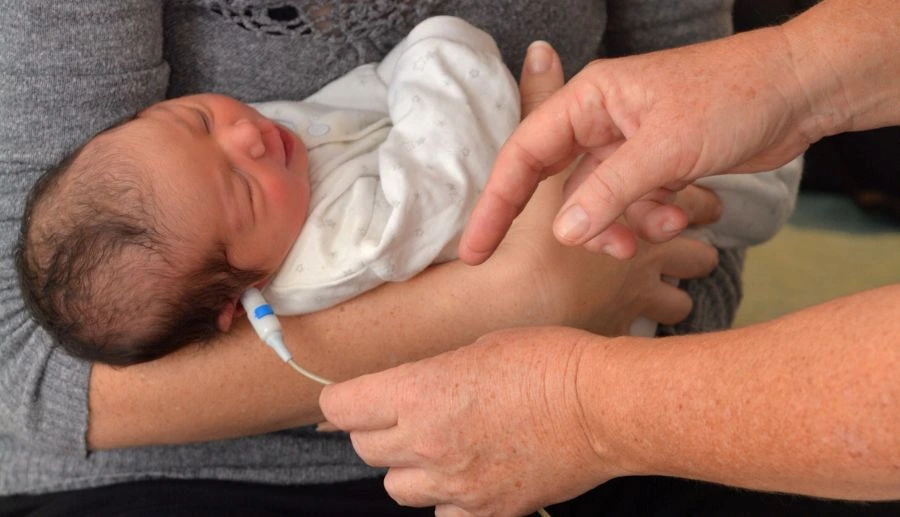
In the realm of pediatric healthcare, preventing hearing loss in newborns has become a pivotal concern due to its profound impact on language development, social interactions, and educational achievement. Genetic testing emerges as a revolutionary tool that not only aids in the early detection of potential hearing impairments but also paves the way for timely interventions, significantly enhancing the quality of life for affected individuals.
This article explores the intricate process of genetic testing for newborns and discusses how such early detection can actively prevent hearing loss.
Understanding Genetic Testing for Newborns
Genetic testing in newborns analyzes DNA, usually collected through a simple blood test, to identify genetic variations that may predispose them to certain health conditions, including hearing loss in newborns. This testing is crucial because many types of hearing loss in infants result from genetic factors. In fact, over 50% of congenital hearing loss cases have a genetic origin. By performing genetic testing, healthcare providers can identify at-risk infants and implement early treatment strategies.
Healthcare professionals typically perform genetic testing shortly after birth as part of newborn screening programs widely available in hospitals. For hearing loss, the tests target mutations in genes such as GJB2 or GJB6, which commonly cause congenital hearing impairment.
Detecting these mutations early enables immediate and personalized interventions, minimizing the long-term impacts of hearing loss. Genetic testing also helps rule out syndromic forms of hearing impairment linked with other medical conditions, giving new parents a comprehensive understanding of their child’s health.
Integrating genetic testing into standard newborn screening programs requires collaboration among genomics specialists, pediatricians, and audiologists. By combining genetic insights with auditory health assessments, healthcare teams can take a multidisciplinary approach to infant care, improving the accuracy of diagnoses and the effectiveness of treatments.
This collaboration also ensures parents stay fully informed and supported throughout the testing and treatment process.
Want to know more about Can a Swab Save You? Healthcare Services & Preventive Testing
Preventing Hearing Loss Through Early Detection
Early detection of hearing loss in newborns through genetic testing provides a critical window for intervention that can dramatically shape a child’s developmental trajectory. Infants diagnosed with hearing loss can start using hearing aids, cochlear implants, or other assistive technologies early, often before reaching key milestones in speech and language development.
This proactive approach substantially reduces the risk of speech delays and social isolation, which commonly result from untreated hearing loss.
Early genetic diagnosis also enables healthcare providers to create personalized management plans for infants, considering the specific genetic mutation and potential severity of the hearing loss. This tailored strategy not only optimizes medical resources but also helps families prepare for and address the unique challenges their child may face.
For example, knowing a child’s specific genetic condition allows parents to connect with support groups and resources for similar conditions, fostering a supportive community from the very beginning.
The preventive potential of genetic testing extends beyond immediate medical interventions. It also has a profound impact on public health strategies by providing data that can inform future preventive measures and policies.
For example, understanding patterns in genetic mutations that lead to hearing loss can guide research into targeted therapies and possibly even corrective genetic treatments in the long term. Thus, early detection through genetic testing is not just about managing symptoms but also about paving the way for innovative solutions to congenital hearing loss.
The integration of genetic testing into newborn screening programs marks a significant advancement in pediatric preventive healthcare. By enabling the early detection of genetic markers associated with hearing loss, it provides a crucial lead time during which effective interventions can be applied. This not only enhances the developmental outcomes for individual children but also contributes to broader public health objectives.