Introduction
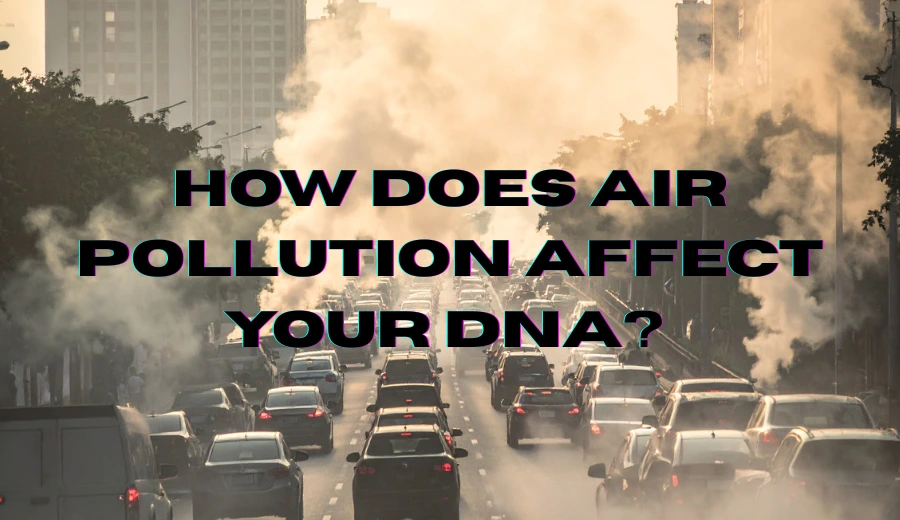
Air pollution is something we deal with every day, whether we are walking on the street, traveling, or even sitting indoors. Most people associate pollution with breathing problems or lung diseases. But the truth is, its impact goes much deeper.
Air pollution doesn’t just affect your lungs; it can reach your bloodstream, damage your cells, and even alter your DNA. This kind of damage is not always visible immediately, but over time, it can increase the risk of serious health conditions.
In today’s urban lifestyle, especially in highly populated areas, understanding how air pollution affects your body at a genetic level has become more important than ever. For more information on air pollution and health effects, refer to the air quality guidelines from the World Health Organization.
What Is Air Pollution Made Of?
Air pollution is a mix of harmful particles and gases present in the environment. These include:
- Particulate matter (PM2.5 and PM10)
- Carbon monoxide
- Nitrogen dioxide
- Sulfur dioxide
- Volatile organic compounds (VOCs)
Among these, PM2.5 particles are the most dangerous because they are microscopic and can easily enter the lungs and bloodstream.
How Air Pollution Enters Your Body
When you breathe polluted air, harmful particles enter your lungs. From there, they can pass into your bloodstream and travel throughout your body.
Once inside, these pollutants trigger inflammation and oxidative stress, which can damage cells at a very basic level, including your DNA.
The Link Between Air Pollution and DNA Damage
1. Oxidative Stress and Free Radicals
Pollutants increase the production of free radicals in the body. These unstable molecules attack healthy cells and damage DNA.
Over time, repeated exposure can lead to mutations in DNA, which may affect how cells grow and function.
2. Inflammation in the Body
Air pollution causes chronic inflammation. Continuous inflammation puts stress on cells and reduces their ability to repair damage.
This increases the risk of long-term diseases.
3. Impaired DNA Repair Mechanism
Your body has natural systems to repair damaged DNA. However, constant exposure to pollutants can weaken this repair system, allowing damage to accumulate over time.
Health Risks Linked to DNA Damage from Pollution
When DNA becomes damaged repeatedly, it can increase the risk of several health conditions, such as:
- Respiratory diseases (asthma, bronchitis)
- Heart disease
- Lung cancer
- Weakened immunity
- Premature aging
In severe cases, long-term DNA damage can contribute to cancer development.
Impact on Children and Future Generations
One of the most concerning effects of air pollution is its impact on children.
Children are more vulnerable because their bodies are still developing. Exposure to pollution can affect their:
- Lung development
- Brain function
- Immune system
There is also growing evidence that pollution-related DNA changes can affect future generations, making preventive action even more important.
The Genetic Factor: Why Some People Are More Affected
Not everyone exposed to the same level of pollution experiences the same health effects. This difference is largely due to genetics.
Some people have stronger natural defense systems, while others may be genetically more sensitive to environmental damage.
Genetics can influence:
- How efficiently your body removes toxins
- How strong your antioxidant defense system is
- How well your DNA repair mechanisms function
👉 This variability is why some individuals develop severe health issues in polluted environments, while others remain relatively unaffected.
Air Pollution and Urban Lifestyle
Living in urban areas increases exposure to pollution due to:
- Traffic emissions
- Industrial activities
- Construction dust
- Indoor pollution from poor ventilation
Indoor environments remain unsafe without proper air quality maintenance.
How to Protect Yourself from Air Pollution
While it may not be possible to completely avoid pollution, you can reduce its impact:
- Use masks in high-pollution areas
- Install air purifiers at home
- Avoid outdoor activities during peak pollution hours
- Keep indoor spaces well-ventilated
- Include antioxidant-rich foods (fruits and vegetables) in your diet
- Stay hydrated
These small steps can help reduce the harmful effects on your body.
Preventive Healthcare Approach
Air pollution is a long-term risk that affects your body silently. This is why preventive healthcare is essential.
Instead of waiting for symptoms, focus on early awareness and protection.
Preventive healthcare includes:
- Genetic Mapping
- Blood testings
- Expert doctor consultation
- Personalized health supplements
Genetic testing can also help identify whether your body is more sensitive to environmental toxins.
It reveals:
- Your detoxification ability
- Your antioxidant capacity
- Your DNA repair efficiency
This capability allows you to take more personalized preventive measures.
Conclusion
Air pollution is not just an environmental issue; it is a serious health concern that affects your body at the deepest level, including your DNA.
While you may not be able to completely avoid pollution, you can reduce its impact through awareness and better lifestyle choices.
Adopting a predictive and preventive healthcare approach, along with understanding your genetic risk, can help you stay protected in the long run.
Because your health is influenced not just by what you eat or do, but also by the environment you live in. Taking small steps today can help safeguard your future.