Introduction
As we cross the age of 35, our body begins to reflect the impact of years of lifestyle choices. While this phase of life often brings stability, it also comes with increased health risks, one of the most serious being liver cancer.
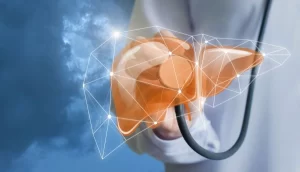
The liver is a vital organ responsible for detoxifying the body, processing nutrients, and supporting metabolism. What makes liver-related diseases dangerous is that they develop slowly and silently. Symptoms often appear only after the damage has already advanced.
Understanding liver cancer risk factors after 35 is essential for early prevention and long-term health. For more information on liver health and cancer prevention, refer to American Cancer Society guidelines on liver cancer.
Why Liver Cancer Risk Increases After 35
In younger years, the liver has a strong ability to repair itself. However, as we age, this ability gradually decreases.
Over time, unhealthy habits such as poor diet, alcohol consumption, and lack of physical activity start affecting liver function. After 35, the accumulated damage becomes more noticeable, increasing the risk of serious conditions, including cancer.
Additionally, lifestyle-related diseases like obesity and diabetes become more common, further impacting liver health.
Major Risk Factors for Liver Cancer
1. Fatty Liver Disease (NAFLD)
One of the most common liver conditions today is fatty liver disease, where excess fat builds up in the liver.
This condition is often caused by poor diet, lack of exercise, and obesity. If left untreated, it can progress to inflammation, liver damage, and eventually increase the risk of liver cancer.
2. Excess Alcohol Consumption
Regular alcohol intake damages liver cells over time. This can lead to cirrhosis, a condition where healthy liver tissue is replaced by scar tissue.
Cirrhosis significantly increases the chances of developing liver cancer.
3. Hepatitis B and C Infections
Chronic infections like hepatitis B and C cause long-term inflammation in the liver.
Many individuals may not even be aware they have these infections, making regular screening vital.
4. Obesity and Poor Diet
A diet high in processed foods, sugar, and unhealthy fats contributes to weight gain and metabolic disorders.
Obesity is strongly linked to fatty liver disease, which is one of the leading causes of liver cancer today.
5. Smoking
Smoking introduces harmful toxins into the body, increasing oxidative stress and damaging liver cells over time.
Early Warning Signs You Should Not Ignore
Liver cancer often develops silently, but some symptoms may appear as the condition progresses:
- Unexplained weight loss
- Loss of appetite
- Constant fatigue
- Pain in the upper abdomen
- Yellowing of skin and eyes (jaundice)
- Swelling in the abdomen
These signs are often mild and ignored, which delays diagnosis.
The Genetic Connection
While lifestyle factors are important, genetics also plays a key role in determining your risk.
If you have a family history of:
- Liver disease
- Cancer
- Metabolic disorders
Your chances of developing liver-related issues may be higher.
Certain genetic variations can influence:
- How your body stores fat in the liver
- How effectively your liver detoxifies harmful substances
- Your susceptibility to inflammation and cell damage
This means two people with similar lifestyles may have completely unique outcomes based on their genetic makeup.
Lifestyle + Genetics: A Risky Combination
The real risk arises when genetic predisposition combines with unhealthy lifestyle habits.
For example:
- A person with genetic risk who consumes alcohol regularly may develop liver damage faster.
- Someone with genetic susceptibility to fatty liver may face issues even with moderate lifestyle imbalance
This combination increases the chances of early-onset liver disease and cancer.
Importance of Early Detection
Early detection can significantly improve outcomes.
Regular health checkups can help identify:
- Fatty liver
- Abnormal liver enzymes
- Viral infections
- Early-stage liver damage
Simple tests like liver function tests (LFT), ultrasound, and blood screening can provide early warnings.
How to Protect Your Liver Health
Here are practical steps to reduce your risk:
- Maintain a healthy body weight
- Eat a balanced diet rich in fruits and vegetables
- Limit alcohol consumption
- Stay physically active
- Avoid smoking
- Stay hydrated
- Get vaccinated for hepatitis B
- Go for regular health checkups
Preventive Healthcare Approach
Liver cancer does not develop overnight; it is the result of long-term damage.
This is why preventive healthcare is essential.
Instead of waiting for symptoms, focus on early detection and risk assessment. Regular screenings, healthy lifestyle habits, and awareness of family history can make a significant difference.
Genetic testing adds another layer of protection by helping you understand:
- Your personal risk for liver disease
- How your body processes fats and toxins
- Your likelihood of developing cancer
With this knowledge, you can take proactive steps to protect your health.
Conclusion
Liver cancer is a serious condition, but often, it is preventable. After 35, it becomes even more important to pay attention to your health and lifestyle.
Your liver works silently every day; don’t wait for warning signs to take action.
Adopting a preventive healthcare approach, making healthier choices, and understanding your genetic risk can help you stay ahead.
Because when it comes to your health, early awareness and prevention can truly save lives.