Introduction
Healthcare is evolving rapidly across the world. For many years, traditional healthcare has focused mainly on diagnosing and treating illnesses after symptoms appear. While this approach has helped millions of people recover from diseases, modern healthcare is now shifting toward prevention and early risk detection.
Today, people are becoming more conscious about their long-term wellness. Rising lifestyle diseases, stress, unhealthy eating habits, and genetic risks are encouraging individuals to adopt smarter healthcare strategies. This growing awareness has increased the popularity of preventive healthcare and predictive healthcare solutions.
Unlike traditional healthcare, preventive healthcare focuses on identifying risks early and helping individuals avoid future health complications. Advanced technologies such as DNA-based body checkups and genetic testing in India are making healthcare more personalized than ever before.
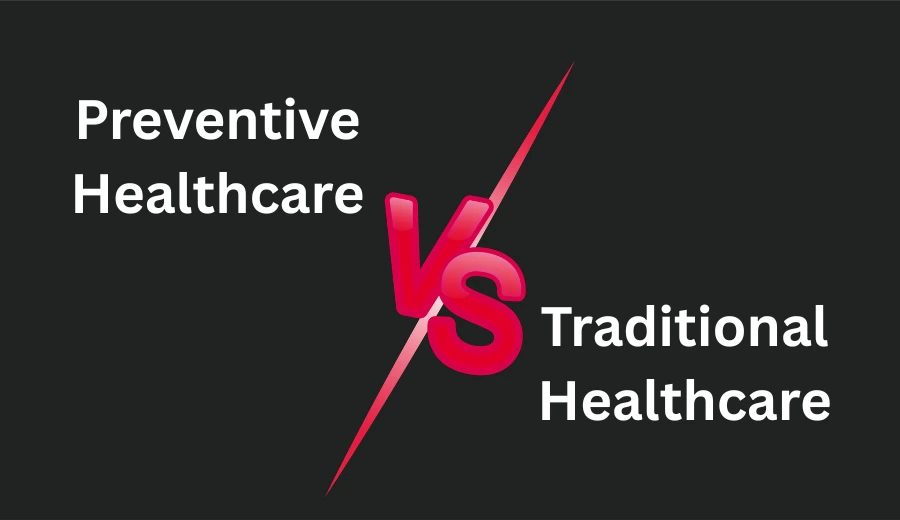
Understanding the difference between preventive healthcare and traditional healthcare can help individuals make better health decisions for the future.
What is Traditional Healthcare?
Traditional healthcare mainly focuses on diagnosing and treating diseases after symptoms appear. Most people visit hospitals or doctors only when they experience pain, discomfort, or noticeable health issues.
Traditional healthcare generally includes the following:
- Doctor consultations
- Medicines and treatments
- Surgeries
- Emergency care
- Symptom-based diagnosis
- Hospitalization
This approach is highly important for managing illnesses and emergencies. However, it often addresses health problems after they have already developed.
For example, a person may only discover high blood pressure or diabetes after symptoms become serious enough to require medical attention.
What is preventive healthcare?
Preventive healthcare services focus on reducing disease risks before health problems occur. Instead of waiting for illness, preventive healthcare encourages regular monitoring, early detection, and healthier lifestyle choices.
Preventive healthcare may include:
- Regular health screenings
- Blood tests
- Lifestyle assessments
- Nutritional guidance
- Fitness tracking
- Vaccinations
- Explore DNA-Based Healthcare Membership
- Genetic-based body checkup
The goal is to identify potential health risks early and take preventive action before diseases become severe.
Preventive healthcare India initiatives are becoming increasingly important because of the rising number of lifestyle-related diseases across the country.
Key Difference Between Preventive Healthcare and Traditional Healthcare
1. Focus Area
Traditional healthcare focuses on treating existing diseases and symptoms.
Preventive healthcare focuses on avoiding diseases before they occur.
For example:
- Traditional healthcare treats diabetes after diagnosis.
- Preventive healthcare helps identify diabetes risk early through lifestyle monitoring and genetic analysis.
2. Timing of Care
Traditional healthcare is usually reactive. People seek treatment after symptoms appear.
Preventive healthcare is proactive. Individuals regularly monitor their health even when they feel healthy.
This proactive approach improves long-term wellness and reduces future complications.
3. Personalized Health Insights
Traditional healthcare often provides generalized treatment plans based on symptoms and medical history.
Preventive healthcare uses advanced technologies like DNA testing and genetic testing in India to create personalized wellness strategies.
Learn How DNA Testing Works can help individuals understand
- Metabolism patterns
- Nutritional needs
- Fitness response
- Disease susceptibility
- Sleep behavior
- Stress management tendencies
This makes healthcare more customized and effective.
4. Cost Impact
Traditional healthcare treatments for advanced diseases can become expensive due to hospitalization, medications, surgeries, and long-term care.
Preventive healthcare focuses on reducing future medical costs through early intervention and healthy lifestyle management.
Routine screenings and preventive strategies may help individuals avoid expensive treatments later in life.
5. Long-Term Wellness
Traditional healthcare helps patients recover from illness.
Preventive healthcare helps people maintain overall wellness and improve quality of life over time.
This shift from “disease management” to “health optimization” is shaping the future of healthcare globally.
The Role of Predictive Healthcare
Predictive healthcare is closely connected to preventive healthcare. It uses advanced data analysis, DNA insights, and health assessments to predict future health risks before symptoms appear.
Predictive healthcare may involve:
- Genetic testing
- Blood biomarkers
- Family health history
- Lifestyle analysis
- AI-based health insights
By identifying possible future risks, predictive healthcare allows individuals to make lifestyle changes earlier.
For example, if genetic testing indicates a higher risk of obesity or heart disease, individuals can adopt preventive strategies such as improved nutrition and fitness plans.
This approach helps people take control of their future health proactively.
How Truventiv Supports Preventive Healthcare
Modern healthcare requires smarter and more personalized solutions. Truventiv focuses on predictive healthcare and preventive healthcare designed to help individuals better understand their bodies and future health risks.
Through advanced means:
- Genetic testing
- Blood testing
- Expert consultations
- Personalized wellness support
Truventiv helps individuals make informed decisions for healthier living.
Instead of waiting for diseases to develop, preventive healthcare solutions empower people to take proactive control of their wellness journey.
Conclusion
Healthcare is moving beyond simply treating illnesses. Preventive healthcare and predictive healthcare are transforming the future of wellness by helping people identify risks early and make proactive health decisions. Unlike traditional healthcare, which mainly reacts to disease, View Our Preventive Healthcare Services focuses on long-term wellness, early detection, and personalized care. With advancements such as DNA-based body checkups and genetic testing in India, individuals now have greater control over their health than ever before. As healthcare awareness continues to grow, preventive healthcare in India is becoming an essential part of healthier and smarter living.
Frequently Asked Questions
What is preventive healthcare?
Preventive healthcare focuses on reducing disease risks through early detection, routine screenings, and personalized wellness planning.
How is preventive healthcare different from traditional healthcare?
Traditional healthcare mainly treats illnesses after symptoms appear, while preventive healthcare focuses on preventing diseases before they develop.
What is a DNA-based body checkup?
A DNA-based body checkup analyzes genetic information to identify inherited health risks and personalized wellness insights.
Why is predictive healthcare important?
Predictive healthcare helps identify future health risks early so individuals can make proactive lifestyle and wellness decisions.
Is genetic testing useful for healthy individuals?
Yes. Genetic testing can help healthy individuals understand inherited risks and take preventive action earlier.