Once you cross 30, life gets busy. Work pressure increases. Family responsibilities grow. Sleep reduces. Exercise becomes irregular.
But while you’re managing everything else, your body is also changing.
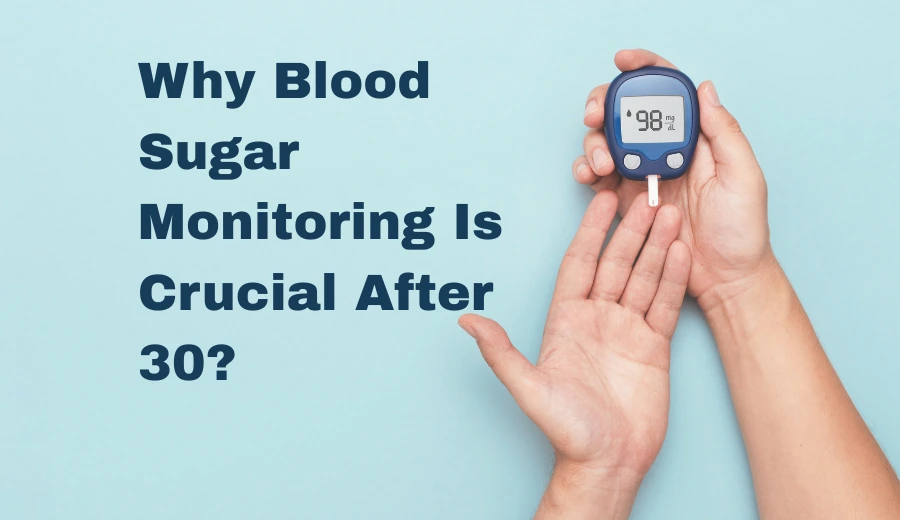
One of the most important health habits to start after 30 is understanding blood sugar monitoring importance, even if you feel completely fine.
Because diabetes doesn’t suddenly appear.
It builds slowly. Quietly. Without warning.
Why Blood Sugar Starts Changing After 30
After 30, your body’s metabolism naturally slows down. You may notice:
- Weight gain around the stomach
- Feeling tired after meals
- Craving sweets more often
- Difficulty losing weight
These small changes may seem normal. But sometimes, they are early signs of insulin resistance, the first step toward Type 2 diabetes.
The problem? Most people don’t feel anything serious in the beginning.
Why Blood Sugar Monitoring Importance
Blood sugar monitoring is not only for people who already have diabetes.
It helps you:
✔ Catch problems early
✔ Prevent diabetes
✔ Protect your heart
✔ Protect your kidneys
✔ Avoid long-term complications
Think of it like checking your car’s fuel and engine regularly. You don’t wait for the car to break down before checking it.
Your body deserves the same care.
What Happens If Blood Sugar Stays High?
When blood sugar stays high for years, it slowly damages your body.
It can affect:
❤️ Heart
High sugar levels increase the risk of heart disease, like coronary artery disease.
🩺 Kidneys
It can damage the kidneys and lead to chronic kidney disease.
👁 Eyes
It may cause vision problems like diabetic retinopathy.
🦶 Nerves
It can damage nerves, leading to diabetic neuropathy.
And the scary part? This damage starts long before symptoms become obvious.
Diabetes in Your 30s: The Silent Phase
In your 30s, diabetes usually doesn’t show clear symptoms.
You may just feel:
- Slightly tired
- More hungry
- Slightly higher weight
Many people ignore these signs.
A simple blood test like fasting glucose or HbA1c can tell you if you’re moving toward prediabetes.
And here’s the good news: prediabetes can be reversed.
In Your 40s and 50s: Risk Increases
If blood sugar is not controlled in your 30s, it may turn into diabetes in your 40s.
Over time, uncontrolled sugar levels increase the risk of the following:
- Heart attack
- Stroke
- Kidney damage
- Vision loss
This is why regular monitoring becomes even more important as you age.
How Often Should You Check Blood Sugar?
If you’re above 30 and healthy:
- Once a year is a good start.
If you have
- Family history of diabetes
- Belly fat
- High blood pressure
- Sedentary lifestyle
You should check every 6 months or as advised by your doctor.
If you already have diabetes, monitoring may need to be more frequent.
Simple Ways to Keep Blood Sugar Healthy
Monitoring is step one. Improving habits is step two.
Here’s what helps:
🥗 Eat Balanced Meals
- Reduce sugary drinks
- Limit white bread and sweets
- Add vegetables and fiber
- Control portion sizes
🏃 Move Daily
Even 30 minutes of walking helps your body use sugar better.
😴 Sleep Properly
Poor sleep increases sugar levels.
🧘 Reduce Stress
Stress hormones can raise blood sugar.
Small changes make a big difference.
Don’t Wait for Symptoms
Many people believe:
“I feel fine, so I must be healthy.”
But diabetes can stay silent for 5–10 years before symptoms like:
- Frequent urination
- Extreme thirst
- Blurred vision
- Sudden weight loss
By then, damage may have already started.
So learn about this: why understanding the importance of blood sugar monitoring after 30 is so critical.
Final Thoughts
After 30, your health deserves more attention as the risk of metabolic and chronic conditions gradually increases. Monitoring blood sugar is not about fear; it is about awareness, prevention, and practicing preventive healthcare. A simple blood test once a year can help detect early changes and protect vital organs such as the heart, kidneys, eyes, and nerves. You don’t need to wait for a diagnosis to take action. By staying informed and prioritizing preventive healthcare, you can take proactive steps today to safeguard your health for the next 30 years and beyond.