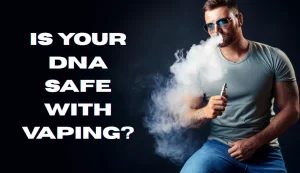
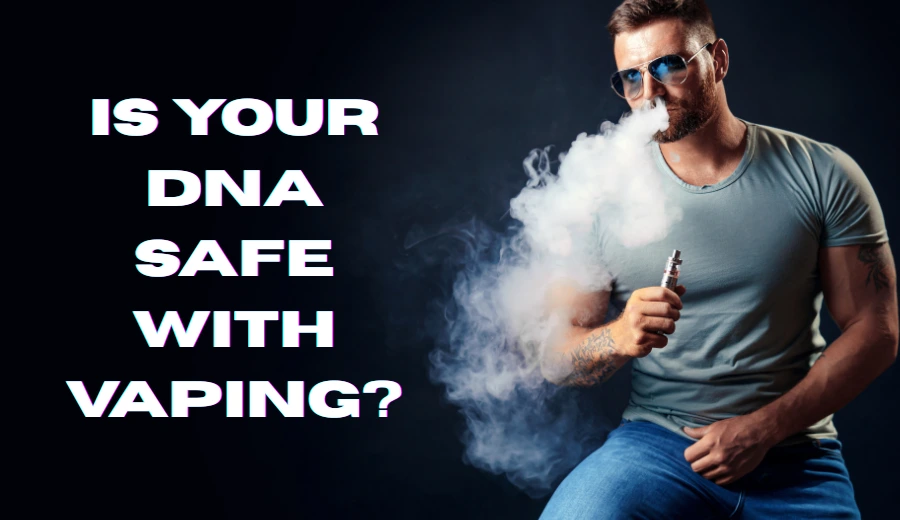
Vaping — once marketed as a safer alternative to smoking, is now everywhere. Sleek devices, colorful flavors, and social media hype have made e-cigarettes popular among teens and adults alike. But beneath the fruity smoke clouds lies an important question:
Is your DNA actually safe when you vape?
Let’s explore what the research says, especially about whether vaping harms our DNA and if it’s really safer than smoking.
Why DNA Damage Matters
DNA is the genetic blueprint in every cell. If chemicals from smoking or vaping damage DNA, it can lead to:
- Mutations — changes in the genetic code.
- Faulty cellular repair.
- Cancer and chronic disease risks.
Normally, cells can fix minor DNA damage, but repeated exposure to harmful chemicals can overwhelm repair systems and allow mutations to accumulate over time.
Vaping Isn’t Harmless: It Can Damage DNA
Contrary to early claims that vaping is “safe,” research now shows that vaping can damage DNA, even in people who have never smoked traditional cigarettes.
A widely reported scientific study compared three groups:
- people who vape exclusively
- people who smoke cigarettes exclusively
- people who neither vape nor smoke
The researchers analyzed epithelial cells (cells lining the mouth) and found that:
- Vapers had significantly more DNA damage than non-users.
- The amount of DNA damage in vapers was similar to that in smokers.
This suggests that vaping can damage DNA at levels comparable to smoking cigarettes.
So the idea that vaping is gentle on your genetic health isn’t supported by this evidence.
What Causes the DNA Damage?
E-cigarette aerosol isn’t just “flavorful water vapor.” When the liquid is heated:
- Chemicals like formaldehyde and acetaldehyde form known DNA damaging agents.
- Some nitrosamines (cancer-linked compounds) can form even from “nicotine-free” products.
- DNA adducts (toxic chemicals stuck to DNA) and crosslinks can occur, interfering with normal DNA replication and repair.
Over time, this can trigger changes in gene expression and disrupt essential cellular processes, including those involved in cell division and cancer defense.
Does Vaping Cause More DNA Damage Than Smoking?
There’s limited evidence that vaping causes more DNA damage than smoking, and this isn’t consistently demonstrated. However:
- A major study found similar levels of DNA damage in vapers and cigarette smokers much higher than in non-users.
- Some research suggests DNA damage may even vary by device type and flavor, with sweet and fruity flavors showing higher damage in vapers.
In other words:
✔ Vaping is not harmless.
✔ It still damages DNA significantly, and
✔ It may not be much safer than smoking at the genetic level.
What About Long-Term Risks?
DNA damage is one of the early steps in the process that can eventually lead to cancer and other genetic diseases. While vaping hasn’t been proven to cause cancer in humans yet, repeated DNA damage and interference with normal gene repair raise serious long-term health concerns.
So Is Your DNA Safe With Vaping?
No — not entirely.
Here’s what we know:
✔ Vaping can damage DNA even in people who never smoked.
✔ DNA damage from vaping can be similar to that from smoking.
✔ Chemicals formed during vaping (aldehydes, nitrosamines) are associated with DNA harm.
✔ Flavors and device type may influence how much damage occurs.
This doesn’t mean every vaper will get cancer, but it does suggest vaping is not a safe “genetic” choice, especially if you’ve never smoked.
Final Thoughts
While vaping may have fewer toxins than traditional cigarettes, the evidence shows it can still:
🔹 damage DNA
🔹 disrupt gene expression
🔹 interfere with cellular repair systems
The safest option for your DNA and overall health? Avoid both smoking and vaping.
If quitting vaping or smoking feels difficult, talk to a preventive healthcare professional; there are effective support options available.