
All About Genetics
Preventive genetic testing reveals future health risks through DNA insights, empowering individuals to act early, prevent disease, and make life-changing, proactive health decisions.

Preventive genetic testing reveals future health risks through DNA insights, empowering individuals to act early, prevent disease, and make life-changing, proactive health decisions.
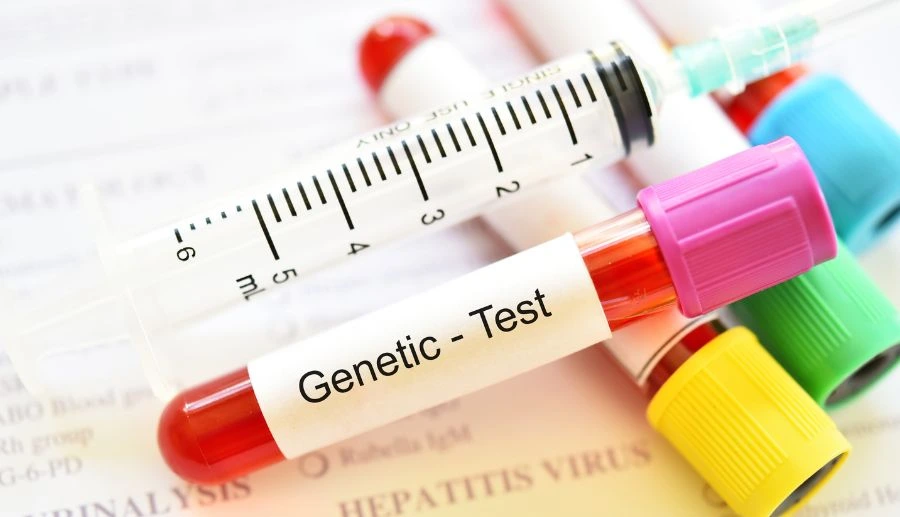
Genetic testing helps prevent lifestyle diseases in India by identifying risks early and enabling personalized, targeted health interventions.

With the country’s immense genetic diversity, this testing method offers unparalleled potential to improve early diagnosis, personalize treatments, and prevent hereditary diseases.

As modernization and lifestyle changes take hold, diabetes cases have surged placing the country among the top nations with the highest diabetes prevalence.

Genetic testing is transforming neurological care by enabling early diagnosis, personalized treatment strategies, improved patient outcomes, and advancing precision medicine for complex disorders.

Early breast cancer detection significantly improves prognosis and survival, while modern genetic testing identifies high-risk individuals long before symptoms ever emerge clinically.

While genetic testing reveals vital insights into hereditary diseases, accessing, using, and sharing this data poses challenges requiring legal and ethical safeguards.

As awareness of hereditary conditions grows and their impact on generations, many prospective parents increasingly use genetics to plan safer, smarter pregnancies.

Through genetic testing, we can unlock insights into our DNA, revealing health risks while providing steps to prevent or delay aging-related conditions.