
5 Daily Habits to Reduce Disease Risk Naturally and Protect Your Health
Modern lifestyles are silently increasing our risk of chronic illnesses. Heart disease, diabetes, fatty liver, kidney problems, and even certain cancers are appearing earlier than ever — especially in urban India.
The good news? Research consistently shows that simple lifestyle changes can reduce the risk of major chronic diseases by up to 40% or more.
If you’re looking for practical, science-backed daily habits to reduce disease risk, this guide breaks it down into five powerful actions you can start today.
1. Move Your Body Every Day
Physical inactivity is one of the biggest contributors to chronic disease worldwide. Regular movement reduces the risk of:
- Type 2 diabetes
- Heart disease
- High blood pressure
- Obesity
- Certain cancers
According to the World Health Organization, adults should aim for at least 150 minutes of moderate exercise per week.
What counts as exercise?
- Brisk walking (30 minutes daily)
- Cycling
- Swimming
- Strength training (2–3 times per week)
- Even active household work
💡 Why it works: Exercise improves insulin sensitivity, strengthens the heart, reduces inflammation, and supports healthy weight management.
You don’t need a gym membership. Consistency matters more than intensity.
2. Eat Whole, Real Food (Not Just “Less Food”)
Your diet directly affects inflammation, blood sugar levels, cholesterol, liver health, and gut bacteria.
A balanced plate should include:
- Fresh vegetables (at least half your plate)
- Seasonal fruits
- Whole grains (millets, brown rice, oats)
- Lean protein (dal, beans, eggs, fish)
- Healthy fats (nuts, seeds)
Limit:
- Ultra-processed foods
- Sugary beverages
- Refined carbs
- Excess salt
Research published in journals like The Lancet shows poor diet is one of the leading causes of early death globally.
💡 Why it works: A nutrient-rich diet reduces oxidative stress, stabilizes blood sugar, protects your arteries, and supports immune health.
Small change idea: Replace one processed snack daily with fruit or nuts.
3. Prioritize Quality Sleep
Sleep is not laziness — it’s biological repair time.
Adults need 7–8 hours of consistent, uninterrupted sleep. Chronic sleep deprivation increases the risk of:
- Obesity
- Diabetes
- Heart disease
- Depression
- Hormonal imbalance
Poor sleep also raises cortisol (stress hormone), which contributes to inflammation and abdominal fat.
Improve sleep hygiene:
- Sleep and wake at the same time daily
- Avoid screens 1 hour before bed
- Reduce caffeine after 4 PM
- Keep your room dark and cool
💡 Why it works: During sleep, your body repairs cells, regulates hormones, strengthens immunity, and clears brain toxins.
Sleep is one of the most underrated daily habits to reduce disease risk.
4. Manage Stress Before It Manages You
Chronic stress is linked to high blood pressure, heart disease, digestive problems, and weakened immunity.
When stress becomes constant:
- Blood pressure rises
- Blood sugar increases
- Inflammation increases
- Sleep quality drops
Stress doesn’t just affect your mind — it affects every organ.
Simple daily stress resets:
- 10 minutes of deep breathing
- Short walks without your phone
- Journaling
- Meditation
- Talking to someone you trust
Even structured practices like yoga and mindfulness have been shown to reduce cardiovascular risk.
💡 Why it works: Stress control lowers cortisol, reduces inflammation, and improves emotional resilience.
You cannot remove stress from life, but you can train your nervous system to handle it better.
5. Get Preventive Health Screening
Many serious diseases develop silently.
High blood sugar.
High cholesterol.
Fatty liver.
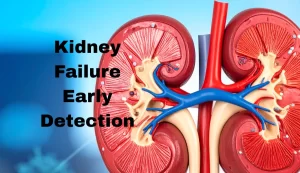
Kidney damage.
Often there are no early symptoms.
Preventive health checkups help detect risk factors before they become irreversible problems.
Basic yearly tests should include:
- Blood sugar levels
- Lipid profile
- Liver function tests
- Kidney function tests
- Blood pressure monitoring
Early detection dramatically improves outcomes and reduces treatment costs later.
💡 Why it works: Prevention is easier and cheaper than a cure.
Regular screening is one of the most powerful but ignored daily habits to reduce disease risk, because awareness drives action.
Want to know more about Understanding the Process of Genetic Testing: A Guide
Why These Habits Matter More in Your 30s and 40s
Urban professionals often believe disease happens “later.”
But in India, we are seeing the following:
- Rising fatty liver in 20s and 30s
- Early diabetes
- Increasing heart attacks in people under 45
Sedentary jobs, processed diets, high stress, and poor sleep are accelerating health risks.
The solution isn’t extreme dieting or sudden fitness challenges.
It’s sustainable daily discipline.
The 40% Rule: Small Changes, Big Impact
Studies tracking long-term health outcomes show that people who:
✔ Exercise regularly
✔ Eat balanced diets
✔ Maintain healthy weight
✔ Avoid smoking
✔ Sleep well
Reduce their risk of major chronic diseases by up to 40% or more compared to those who don’t.
That’s not a small improvement.
That’s life-changing.
Start With One Habit This Week
Don’t overhaul your life overnight.
Choose ONE habit:
- Walk 30 minutes daily
- Cut sugary drinks
- Sleep 7+ hours
- Book a preventive health test
Build momentum slowly.
Health is not built in hospitals.
It is built in daily routines.
Conclusion
In conclusion, long-term health is not determined by genetics alone but by the choices we make every single day. Simple lifestyle changes like regular exercise, balanced nutrition, quality sleep, stress management, and routine health checkups are powerful daily habits to reduce disease risk and protect your future. Most chronic conditions develop silently over time, which is why preventive healthcare plays a critical role in early detection and risk management. By combining healthy daily routines with proactive preventive healthcare, you shift from reacting to illness to actively protecting your well-being. Small, consistent actions today can prevent major health challenges tomorrow, and that is the true power of prevention.