Introduction
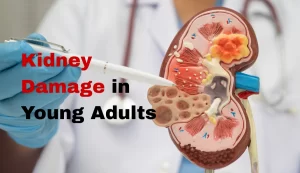
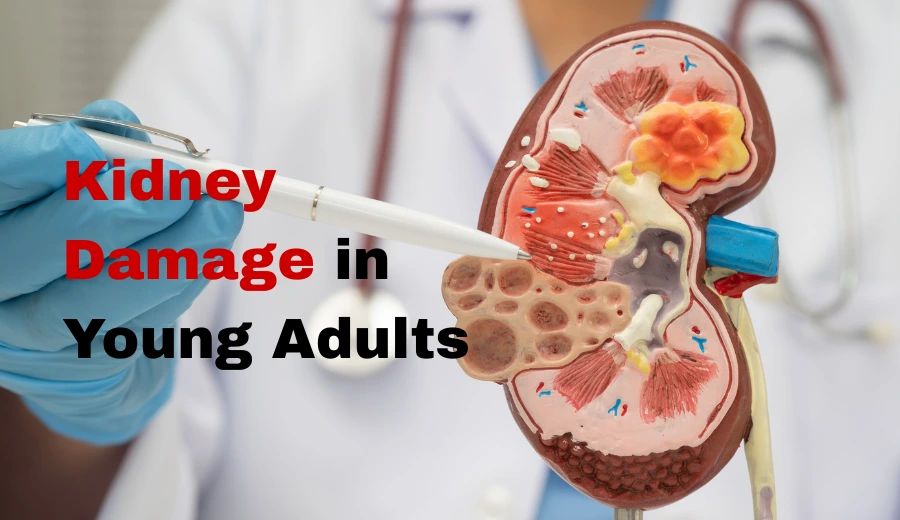
Kidney damage is often considered a health issue that affects older adults—but this is no longer true. Increasingly, young adults are facing early signs of kidney damage due to lifestyle habits, stress, and underlying health conditions.
What makes kidney disease dangerous is that it develops silently. Many people remain unaware until the condition has progressed significantly. Recognizing the early signs of kidney damage can help prevent serious complications and protect long-term health.
What Causes Kidney Damage in Young Adults?
Several factors are contributing to the rise of kidney-related issues in younger populations:
- Poor dietary habits (high salt, processed foods)
- Dehydration and low water intake
- Sedentary lifestyle
- High stress levels
- Uncontrolled blood sugar or blood pressure
- Genetic predisposition
These factors can gradually affect kidney function without obvious warning signs.
Early Signs of Kidney Damage You Shouldn’t Ignore
Identifying symptoms early is key to preventing long-term damage. Here are some common early signs:
1. Frequent Urination Changes
- Urinating more often, especially at night
- Changes in urine color or consistency
2. Persistent Fatigue
- Feeling tired even after proper rest
- Reduced energy levels due to toxin buildup
3. Swelling (Edema)
- Puffiness around eyes
- Swelling in feet, ankles, or hands
4. Difficulty Concentrating
- Reduced focus or mental clarity
- Linked to toxin accumulation in the body
5. Muscle Cramps
- Frequent cramps due to electrolyte imbalance
6. Loss of Appetite or Nausea
- Feeling full quickly
- Mild nausea or discomfort
The Role of Genetics in Kidney Health
Many people overlook the impact of genetics on kidney disease. Certain individuals may have a higher risk due to inherited conditions or family history.
Genetic insights can help:
- Identify predisposition early
- Enable targeted prevention strategies
- Support personalized health planning
Understanding your genetic profile allows you to take proactive steps before symptoms appear.
Why Early Detection Matters
Kidney disease often progresses silently. Early detection offers several benefits:
- Prevents disease progression
- Reduces risk of kidney failure
- Improves treatment outcomes
- Helps maintain overall health
Regular screenings such as blood tests and urine analysis can detect issues at an early stage.
Preventive Steps to Protect Kidney Health
Taking simple steps can significantly reduce your risk:
- Stay hydrated throughout the day
- Maintain a balanced, low-sodium diet
- Exercise regularly
- Monitor blood pressure and blood sugar
- Avoid excessive use of painkillers
- Go for regular health check-ups
How Truventiv Supports Preventive Kidney Health
Truventiv focuses on early detection and personalized healthcare:
✔ Genetic testing to assess inherited risks
✔ Blood tests to evaluate kidney function
✔ Expert consultations
✔ Personalized lifestyle and nutrition plans and personalised health supplements
This proactive approach helps you stay ahead of potential health issues.
Conclusion
Kidney damage in young adults is becoming increasingly common, but it is also preventable. The key lies in awareness, early detection, and proactive healthcare.
By recognizing the early signs of kidney damage and taking preventive healthcare action, you can protect your health and avoid serious complications in the future.
Your health doesn’t decline overnight, but small steps today can make a big difference tomorrow.