
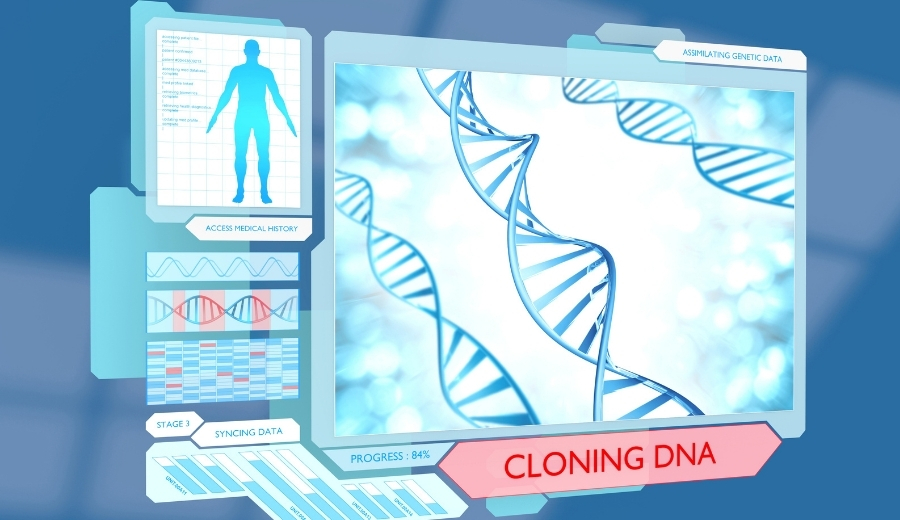
In the rapidly evolving field of genetics, scientists have made significant strides in understanding how our DNA can influence our mental health. Genetic testing, once primarily used for diagnosing inherited physical disorders, is now being explored as a tool for identifying individuals at risk for mental health conditions such as depression and anxiety. This emerging area of research holds promise for early intervention and personalized treatment strategies, potentially transforming the landscape of mental health care.
Genetic Markers for Depression Analysis
Recent advancements in genetic research have revealed several markers linked to an increased risk of depression. These markers, which are specific variations in DNA sequences, influence how the brain and body respond to stress and regulate mood. For example, variations in the serotonin transporter gene, a key component of the brain’s chemical messaging system—appear to increase susceptibility to depression.
Researchers have also confirmed that depression is polygenic, meaning multiple genes interact to shape risk rather than a single mutation. This complexity requires genetic testing for depression to examine a wide range of variations to deliver accurate predictions. To address this challenge, scientists have developed polygenic risk scores that combine the effects of many genes across the genome, offering a more comprehensive measure of genetic risk.
However, genetic markers do not act in isolation. Environmental factors such as lifestyle, trauma, and stress strongly influence how these genes manifest. As a result, healthcare providers must use genetic tests alongside other diagnostic tools to gain a full picture of an individual’s mental health.
Anxiety Risk Factors Through DNA Testing
Researchers are increasingly uncovering genetic links to anxiety disorders, with studies identifying DNA variations that may predispose individuals to anxiety. For example, changes in genes that regulate neurotransmitters such as dopamine and gamma-aminobutyric acid (GABA) appear to contribute to the development of anxiety disorders. DNA testing can reveal these variations, helping to identify people at higher risk and opening the door to early interventions that may reduce or even prevent the onset of anxiety symptoms.
Genetic testing for anxiety goes beyond risk detection. It also provides insights into the biology of the disorder, paving the way for more effective, personalized treatment plans. For instance, an individual with a specific genetic profile might respond better to a certain type of medication or therapy. By tailoring care to each person’s genetic makeup, preventive healthcare providers can move closer to truly personalized mental health care.
Despite these advances, the predictive power of genetic testing for anxiety remains limited. Anxiety, like depression, arises from a complex interplay of genetic and environmental factors. The challenge lies in fully understanding these interactions so that genetic tests can achieve greater accuracy. Ongoing research plays a critical role in strengthening the ability of these tests to identify and manage anxiety risk factors.
As genetic testing in mental health evolves, it shows tremendous potential for early risk detection and customized treatment strategies for conditions such as depression and anxiety. Current tests provide valuable insights, but they are not yet definitive predictors. To maximize their impact, clinicians should combine them with other diagnostic tools and therapeutic approaches. Ultimately, the goal is to use genetic insights to make mental health care more proactive, personalized, and effective.