
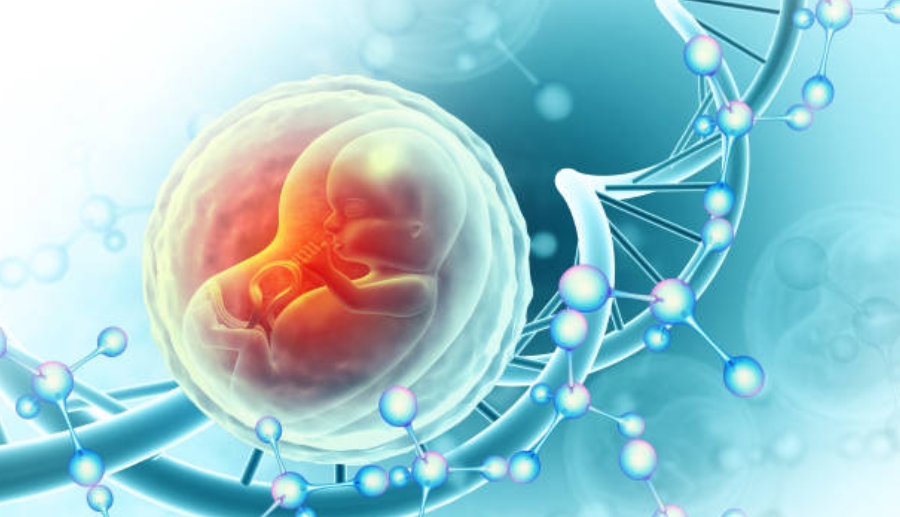
Genetic testing is revolutionizing medicine by providing unprecedented insights into the blueprint of life. In maternal and child health, these advancements offer immense potential to enhance prenatal care and improve infant health outcomes. By identifying potential genetic disorders early, healthcare providers can tailor interventions that strengthen the quality of care and protect the health of both mother and child.
Enhancing Prenatal Care through Genetic Testing
Genetic testing during pregnancy is a critical tool for identifying inherited disorders and conditions that could affect a child’s health. Technologies such as carrier screening allow expectant parents to determine if they carry genes for diseases like cystic fibrosis, sickle cell anemia, or Tay-Sachs disease. This early detection enables healthcare providers to prepare for appropriate medical interventions that can be administered at birth, or even in utero, thereby significantly reducing the risk of severe complications.
Furthermore, healthcare providers use non-invasive prenatal testing (NIPT) to analyze small fragments of fetal DNA found in the mother’s bloodstream. They can perform this test as early as the first trimester to effectively screen for chromosomal abnormalities such as Down syndrome, Edwards syndrome, and Patau syndrome. By diagnosing these conditions early through NIPT, providers enable families to plan and manage care more comprehensively, offering specialized counseling and support for informed pregnancy decisions, which helps reduce emotional and financial stress.
Beyond the detection of genetic disorders, genetic testing can also influence the management of the pregnancy itself. For instance, genetic insights can inform the treatment of the mother if she has predispositions to conditions that could be exacerbated by pregnancy, such as gestational diabetes or preeclampsia.
Genetic Insights and Infant Health Optimization
The benefits of genetic testing continue after birth, playing a crucial role in managing infant health. Healthcare providers can immediately intervene when they identify genetic conditions early, potentially preventing severe developmental disorders or even life-threatening issues. For instance, newborn screening detects metabolic disorders like phenylketonuria (PKU) or hypothyroidism, allowing doctors to initiate dietary changes or hormone treatments that support normal development.
Additionally, by analyzing a baby’s genetic profile, pediatricians can customize vaccines and other preventive treatments to suit the child’s specific health needs and genetic risks. This personalized care not only increases the effectiveness of preventive healthcare but also reduces the risk of adverse reactions or complications, ultimately improving health outcomes during a child’s critical early years.
Lastly, the insights gained from genetic tests can help in predicting future health challenges, enabling families and healthcare providers to adopt proactive strategies.
In conclusion, Genetic Testing serves as a cornerstone of modern maternal and child healthcare, delivering wide-ranging benefits from prenatal diagnosis to postnatal treatment planning. By enabling early detection and customized interventions, it enhances outcomes for both mother and child.
To make the most of these preventive health insights, explore Truventiv’s Predictive Healthcare Membership designed to support families with personalized genetic reports, expert consultations, and continuous care strategies. As technology continues to advance, integrating genetic testing into routine maternal and infant healthcare will be essential in building healthier future generations.