
Joint Health
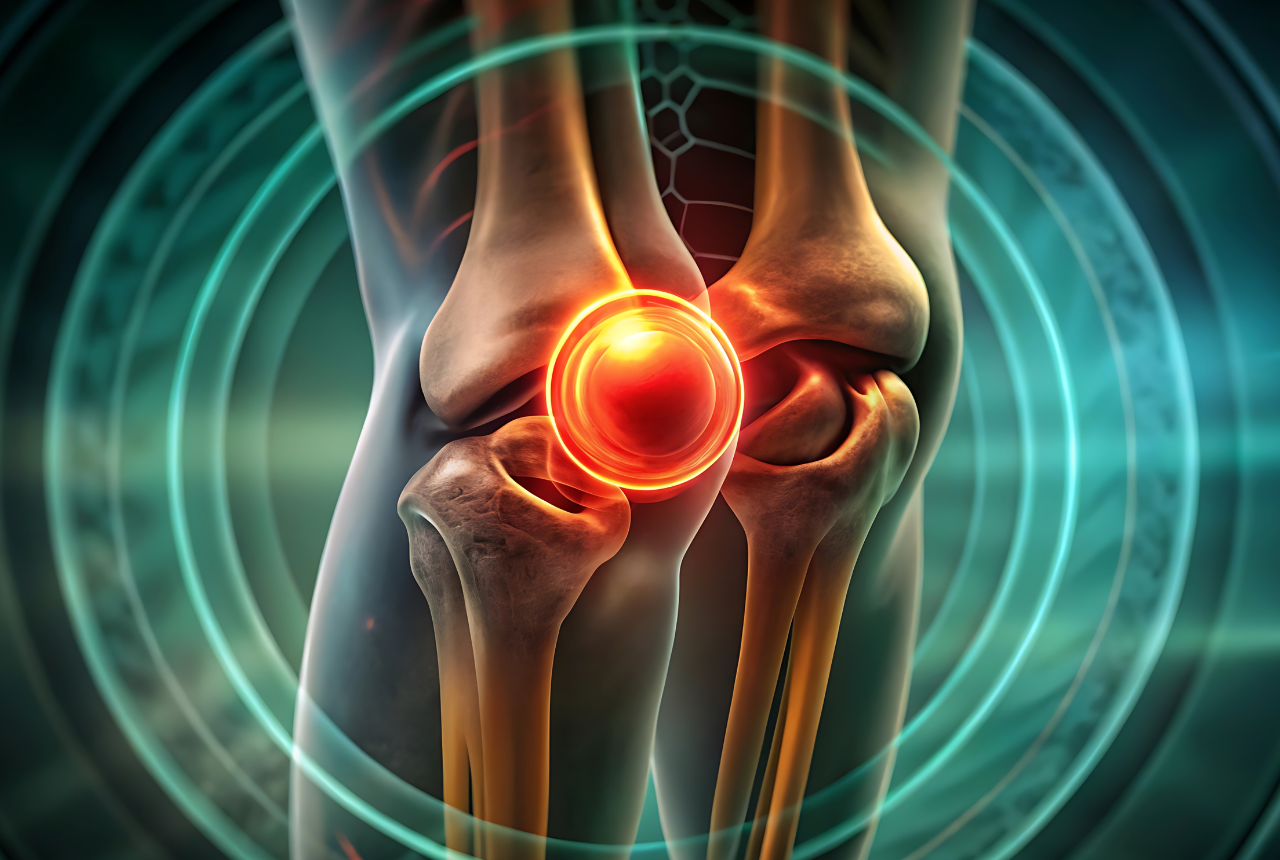
Joint Health & Genetic Connection
Did You Know?
You inherit joint-related structural and metabolic traits from your 128 ancestors across 7 generations, and these genes influence how your joints develop, maintain cartilage, manage inflammation, and recover from wear and tear. Family history is one of the key indicators of long-term joint health.
Joint health is vital for mobility and quality of life.
Genetics strongly influences cartilage strength, bone alignment, and joint inflammation, affecting the risk of osteoarthritis, stiffness, reduced mobility, and other joint conditions.
These inherited genes influence how joints function:
- Maintain cartilage structure and elasticity
- Regulate collagen production and connective tissue strength
- Control joint lubrication and synovial fluid balance
- Influence inflammation and immune response within joints
Certain gene variants affect cartilage repair, collagen metabolism, inflammation, and joint strength, increasing the risk of joint degeneration, even without early pain or visible symptoms.
Arthritis & Rheumatic Conditions
Some joint problems like arthritis run in families because genes affect inflammation and cartilage health, causing symptoms to appear earlier or worsen over time.
Sports, Physical Activity & Muscle Endurance
Strong muscles help protect joints, but genetic differences can affect stamina and recovery. Without proper care and technique, sports or repeated strain can increase joint damage.
While genes set the foundation, modern lifestyle increases joint stress. Sedentary habits, poor posture, repetitive movements, excess weight, improper exercise, nutritional gaps, inflammation, and past injuries add extra strain.
This explains why:
- Joint problems often run in families
- Stiffness and reduced flexibility appear rapidly
- Arthritis and rheumatic conditions may develop silently
- Joint damage can progress without early pain
- Mobility and muscle endurance decline over time
Understanding genetic risk early enables preventive joint care, targeted movement and exercise planning, joint-supportive nutrition, weight management, and inflammation control, helping preserve mobility, slow joint degeneration, and support lifelong joint health.