
Liver
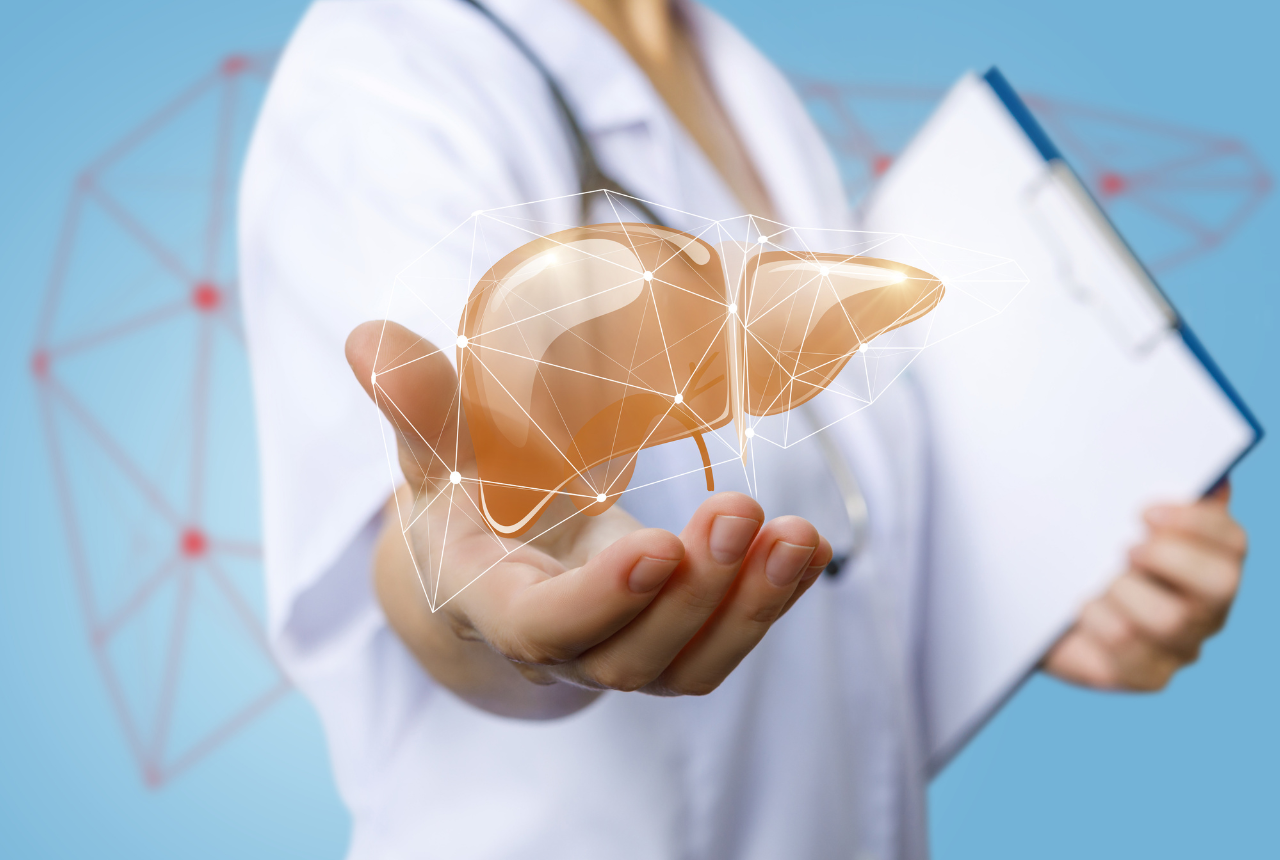
Liver & Genetic Connection
Did You Know?
You inherit liver-related metabolic traits from your 128 ancestors across 7 generations. The liver is one of the most vital organs of your body; it performs over 500+ vital functions. It is the chemical factory of the human body, which efficiently handles your body’s metabolism, fats, toxins, blood sugar, etc. Family hereditary history is one of the key factors for liver health.
Liver disorders are not caused by alcohol alone; genetics also play a significant role.
Modern research shows that a person’s susceptibility to liver conditions such as fatty liver (NAFLD/NASH), elevated liver enzymes, and metabolic liver stress is influenced by genes inherited across generations.
These inherited genes influence the liver functions:
- Processing of Fats and Sugars
- Responsible for healthy digestion
- Detoxifies toxins and medications
- Handles inflammation and oxidative stress
- Regulates cholesterol and bile production
Scientific studies have identified multiple gene variants (such as those affecting fat metabolism and insulin resistance) that increase the risk of fat accumulation in the liver, even in people who do not consume alcohol.
However, genes create vulnerability, lifestyle accelerates damage.
In today’s lifestyle & environment of high-calorie diets, excess sugar, refined carbohydrates, stress, poor sleep, and low physical activity, genetically predisposed individuals are developing liver damage and fatty liver at a much younger age.
This explains why:
- Fatty liver is common even in non-drinkers (nearly 1 in 3 people suffer).
- Liver enzyme imbalance occurs without symptoms
- Liver disease damages the gut and other vital organs.
- Diabetes, obesity, and liver disease frequently coexist
Early awareness of genetic risk allows timely lifestyle correction, nutritional support, and liver-protective care, helping prevent progression to serious liver conditions like NASH and Liver cirrhosis.