
Your 30s are often described as the “building decade.” You’re building your career, relationships, financial stability, and long-term goals. But while you invest in savings, insurance, and assets, many people overlook one critical investment, their health.
The truth is simple: the benefits of preventive healthcare far outweigh the cost of ignoring early warning signs. That’s why your 30s are the perfect time to move from reactive healthcare to a more proactive approach to managing your health.
Let’s explore why preventive healthcare is the smartest investment you can make in this decade of your life.
1. Your 30s Are a Turning Point for Health
In your 20s, your body recovers quickly. In your 30s, silent risks begin to develop — often without noticeable symptoms.
Lifestyle-related conditions such as:
- Type 2 diabetes
- Fatty liver
- Hypertension
- Thyroid disorders
- Early heart disease
start building quietly.
For example, according to global health data, rates of Type 2 diabetes and Non-alcoholic fatty liver disease are rising rapidly among people aged 30–40.
The scary part? Most people don’t feel sick until complications appear.
Preventive healthcare changes that story.
2. Prevention Costs Less Than Treatment
Let’s compare:
- Annual health screening: Affordable and manageable
- Long-term diabetes treatment: Lifelong medication, complications, hospital visits
- Heart surgery: Financial and emotional burden
A simple blood test today can help prevent expensive treatments tomorrow.
One of the most powerful preventive healthcare benefits is financial protection. Early detection means early action — and early action is always cheaper than emergency care.
When you detect high cholesterol or insulin resistance early, lifestyle changes may reverse the condition completely. But if ignored, it may progress to Coronary artery disease or chronic metabolic illness.
3. Silent Diseases Are Common in Your 30s
Many serious conditions are “silent” in the early stages:
- High blood pressure
- Early kidney damage
- Insulin resistance
- Thyroid imbalance
- Vitamin deficiencies
For example, Hypertension is often called the “silent killer” because it shows no symptoms until it damages the heart, kidneys, or brain.
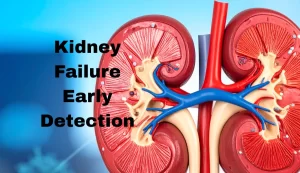
Similarly, early Chronic kidney disease can develop without pain.
Preventive screenings — such as blood pressure monitoring, liver function tests, kidney function tests, and thyroid panels — can detect risks years before they become dangerous.
That’s the power of preventive healthcare benefits: catching the problem before it catches you.
4. Your Career Depends on Your Energy
Your 30s are often your peak career years. As a result, long working hours, tight deadlines, stress, and irregular eating habits gradually become a part of daily life.
But chronic fatigue, brain fog, and weight gain aren’t “normal adult life.” They are often warning signs.
Unchecked stress can increase the risk of Cardiovascular disease. Poor sleep and processed food consumption increase metabolic risk.
Preventive healthcare helps you:
- Track biomarkers annually
- Monitor stress impact
- Improve nutrition through data
- Build sustainable habits
When your health is optimized, your productivity improves naturally.
Think of preventive care as performance optimization — not just disease avoidance.
5. Genetics Play a Bigger Role Than You Think
Many people assume: “I’m fine. No symptoms.”
But family history matters.
If your parents have diabetes, thyroid disorders, heart disease, or cancer, your risk may be higher. Preventive healthcare benefits include:
- Understanding genetic predisposition
- Personalized risk assessments
- Targeted screening frequency
- Lifestyle plans based on risk profile
For instance, if there is a history of Breast cancer or colorectal cancer in your family, early screening protocols can significantly reduce mortality risk.
Knowledge reduces uncertainty. Data replaces fear.
6. Prevention Improves Quality of Life — Not Just Lifespan
Living longer isn’t the only goal — living healthier matters even more.
With preventive healthcare, you don’t just avoid disease; you actively support your body and mind every day. As a result, you can experience several important health benefits, including:
- Better metabolic health, helping your body manage energy and blood sugar more efficiently
- More stable energy levels, so you feel active and productive throughout the day
- Improved mental clarity, allowing better focus and decision-making
- Balanced hormones, which support mood, sleep, and overall well-being
- Healthier weight maintenance, making it easier to stay fit over time
In other words, preventive healthcare isn’t just about preventing illness — it’s about creating a stronger, healthier life for the future.
Your future self will thank you for the choices you make today.
7. Mental Health Is Also Preventive Care
Preventive healthcare isn’t just about physical tests. Mental health screening is equally important.
Chronic stress, anxiety, and burnout increase long-term disease risk. Studies link prolonged stress to heart disease and metabolic disorders.
Early counseling, stress management strategies, mindfulness, and work-life balance planning are part of a complete preventive strategy.
Your mind and body are connected. Ignoring one affects the other.
8. Small Actions Today Create Massive Impact Tomorrow
Here’s what preventive healthcare in your 30s should include:
- Annual full-body check-up
- Blood sugar and HbA1c tests
- Lipid profile
- Liver and kidney function tests
- Thyroid panel
- Vitamin D & B12 levels
- Blood pressure monitoring
- BMI and waist circumference tracking
- Family history documentation
These simple steps can prevent the following:
- Advanced diabetes
- Stroke
- Heart attack
- Organ damage
- Late-stage cancer detection
And that is the true power of preventive healthcare benefits.
9. Health Is the Foundation of Wealth
You insure your car.
Invest in mutual funds.
and also build retirement savings.
But without health, none of those assets matter.
Medical emergencies can wipe out years of financial planning. Prevention protects not just your body but also your future stability.
The smartest investors diversify risk. Preventive healthcare is risk management for your life.
Final Thoughts: The Best Time to Start Is Now
Your 30s are not “too early” to think about disease; they are the ideal time to start preventive healthcare and protect your future health.
Preventive healthcare benefits are clear:
- Early detection
- Lower medical costs
- Better productivity
- Improved quality of life
- Reduced long-term risk
You can either pay for prevention now or pay for treatment later.
The choice is yours.
Make your 30s the decade where you don’t just build success, you build lifelong health.