Chronic diseases such as heart disease, diabetes, obesity, and certain cancers are among the leading health concerns worldwide. While genetics can influence health risks, daily lifestyle choices play a significant role in determining long-term well-being.
The encouraging news is that simple, consistent habits can reduce chronic disease risk naturally. Preventive healthcare is not only about medical tests and screenings, it is also about adopting healthier behaviors that support the body’s natural resilience.
By making a few practical lifestyle adjustments, individuals can improve their health, strengthen immunity, and lower the risk of chronic diseases at any stage of life.
Why Lifestyle Matters in Preventive Healthcare
Many chronic conditions develop slowly over several years. Often, they begin with silent inflammation, metabolic imbalance, or gradual cellular changes that remain unnoticed until symptoms appear.
This is why preventive healthcare emphasizes early action. Healthy habits can help regulate blood sugar levels, maintain heart health, support metabolic balance, and protect overall body function.
Even small lifestyle improvements can make a meaningful difference when practiced consistently over time.
1. Prioritize Balanced Nutrition
One of the most effective ways to reduce chronic disease risk naturally is by focusing on balanced nutrition.
The foods you eat influence many aspects of health, including metabolism, inflammation, and immune function.
Healthy nutrition habits include:
- Eating more fruits and vegetables
- Choosing whole grains over refined foods
- Limiting processed and sugary foods
- Reducing excessive salt intake
- Including healthy fats such as nuts, seeds, and olive oil
A nutrient-rich diet supports heart health, improves blood sugar control, and helps maintain a healthy weight, all important factors in preventing chronic diseases.
2. Stay Physically Active
Regular physical activity is essential for maintaining overall health and reducing disease risk.
Exercise supports multiple body systems by:
- Improving cardiovascular health
- Enhancing metabolism
- Regulating blood sugar levels
- Supporting mental well-being
Even moderate physical activity can significantly reduce chronic disease risk naturally.
Simple ways to stay active include:
- Walking for 30 minutes daily
- Practicing yoga or stretching
- Cycling or swimming
- Engaging in strength or resistance training
Consistency matters more than intensity. Making movement part of your daily routine can provide long-term health benefits.
3. Manage Stress and Prioritize Sleep
Chronic stress and poor sleep can negatively affect many aspects of health, including hormonal balance, immune function, and metabolism.
Long-term stress may increase the risk of conditions such as hypertension, diabetes, and heart disease.
Healthy stress management techniques include:
- Practicing mindfulness or meditation
- Maintaining a regular sleep schedule
- Reducing screen time before bedtime
- Spending time outdoors
- Connecting with family and friends
Adequate sleep allows the body to repair and recover, making it a critical component of preventive healthcare.
The Role of Preventive Healthcare
While lifestyle habits are essential, combining them with preventive healthcare strategies can further strengthen long-term health protection.
Preventive healthcare may include:
- Regular health screenings
- Monitoring metabolic health markers
- Early disease risk assessments
- Personalized health planning
These approaches help detect health risks early and empower individuals to make informed decisions about their health.
Conclusion
Reducing the risk of chronic diseases does not require drastic changes. In many cases, consistent daily habits can make a powerful difference.
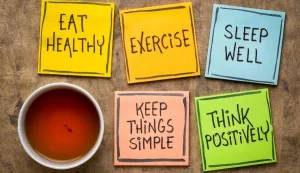
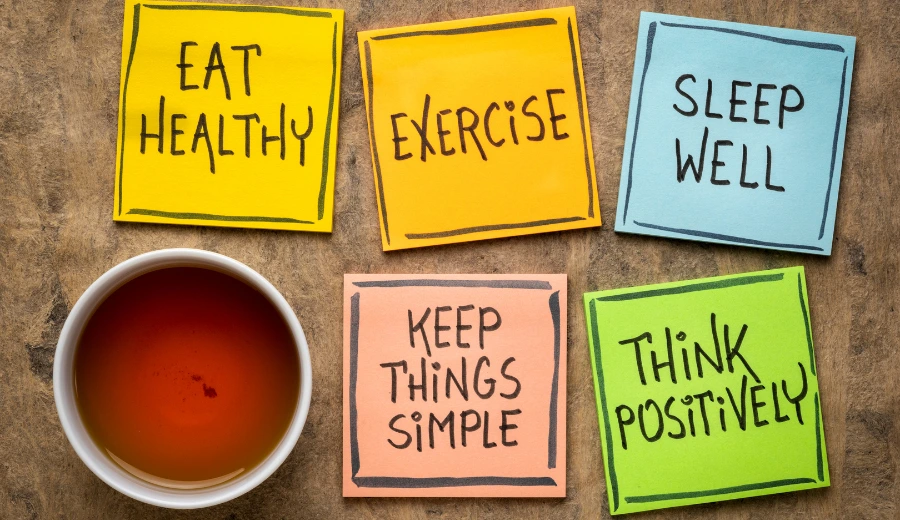
By prioritizing balanced nutrition, staying physically active, and managing stress effectively, individuals can reduce chronic disease risk naturally and support long-term wellness.
When combined with preventive healthcare and regular health monitoring, these lifestyle choices can help build a healthier future at any age.
Taking small steps today can lead to lasting health benefits tomorrow.