
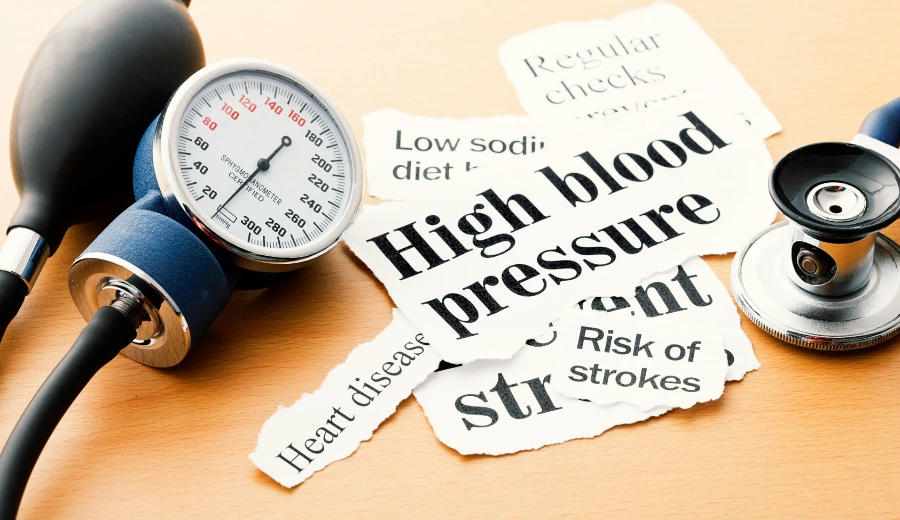
High blood pressure is often called the “silent killer” because it can damage vital organs without showing obvious symptoms. While many people associate hypertension with heart disease or stroke, fewer realize that it can also severely affect the kidneys.
The relationship between high blood pressure & kidney damage is complex and dangerous. Over time, uncontrolled blood pressure can weaken and damage the delicate blood vessels in the kidneys, reducing their ability to filter waste and excess fluids from the body.
Understanding this hidden connection is essential for preventing long-term complications and protecting your overall health.
What Is High Blood Pressure?
High blood pressure, also known as hypertension, occurs when the force of blood pushing against artery walls remains consistently too high.
Blood pressure readings are measured using two numbers:
- Systolic pressure – pressure when the heart beats
- Diastolic pressure – pressure when the heart rests between beats
A normal blood pressure reading is usually around 120/80 mmHg. When readings consistently reach 130/80 mmHg or higher, it may indicate hypertension.
Many people live with high blood pressure for years without realizing it because symptoms often appear only when significant damage has already occurred.
How the Kidneys Work
Your kidneys play a vital role in maintaining overall health. These bean-shaped organs filter about 50 gallons of blood every day, removing waste products, toxins, and excess fluid through urine.
The kidneys also help regulate:
- Blood pressure
- Fluid balance
- Electrolytes
- Red blood cell production
For the kidneys to function properly, they rely on a network of tiny blood vessels called glomeruli, which act as filtration units.
How High Blood Pressure Causes Kidney Damage
The link between high blood pressure & kidney damage begins with damage to these delicate blood vessels.
When blood pressure remains high for long periods, the force of the blood flow can gradually injure the blood vessels in the kidneys.
This can lead to several problems:
1. Narrowed Blood Vessels
High blood pressure can cause kidney arteries to narrow or harden. Reduced blood flow prevents the kidneys from filtering waste effectively.
2. Weakened Blood Vessel Walls
Constant pressure can weaken the vessel walls, making them less efficient at filtering toxins from the blood.
3. Reduced Kidney Function
Over time, the kidneys lose their ability to remove waste and excess fluids, leading to a buildup of harmful substances in the body.
If left untreated, this condition can progress to chronic kidney disease (CKD) or even kidney failure.
Kidney Damage Can Also Raise Blood Pressure
The relationship between high blood pressure & kidney damage works both ways.
Damaged kidneys struggle to regulate fluid and sodium levels in the body. This imbalance can cause blood pressure to rise even further.
As a result, a dangerous cycle develops:
- High blood pressure damages the kidneys
- Damaged kidneys raise blood pressure
- Increased blood pressure causes further kidney damage
Breaking this cycle requires early detection and proper management.
Warning Signs of Kidney Damage
Kidney damage often develops slowly and may not show symptoms in the early stages. However, as the condition progresses, certain warning signs may appear:
- Swelling in the feet, ankles, or hands
- Fatigue and weakness
- Frequent urination, especially at night
- Blood in urine
- Persistent nausea
- Difficulty concentrating
- Loss of appetite
Because these symptoms may appear late, regular health screenings are essential.
Who Is at Higher Risk?
Several factors can increase the risk of developing high blood pressure & kidney damage:
- Long-term uncontrolled hypertension
- Diabetes
- Obesity
- Smoking
- High-sodium diet
- Family history of kidney disease
- Sedentary lifestyle
- Age above 40
People with multiple risk factors should monitor their kidney health regularly.
Tests That Detect Kidney Damage Early
Doctors use several tests to assess kidney health and detect early signs of damage.
Blood Test (Creatinine)
This test measures the level of creatinine in the blood to determine how well the kidneys are filtering waste.
Urine Test
Urine tests check for protein or albumin, which can indicate early kidney damage.
Estimated Glomerular Filtration Rate (eGFR)
This test estimates how efficiently the kidneys are filtering blood.
Regular screening can identify kidney problems before they progress into severe disease.
How to Protect Your Kidneys
Preventing kidney damage largely depends on managing blood pressure effectively.
Monitor Blood Pressure Regularly
Keeping blood pressure within a healthy range is one of the most important steps in protecting kidney health.
Reduce Salt Intake
Excess sodium increases blood pressure and puts extra strain on the kidneys.
Maintain a Healthy Weight
Healthy body weight improves blood pressure control and reduces kidney stress.
Stay Physically Active
Regular exercise helps regulate blood pressure and improves cardiovascular health.
Manage Blood Sugar
People with diabetes should maintain stable blood sugar levels to reduce kidney complications.
Avoid Smoking and Excess Alcohol
Both habits can worsen hypertension and accelerate kidney damage.
The Importance of Preventive Healthcare
One of the biggest challenges with high blood pressure & kidney damage is that both conditions can develop silently over many years.
Preventive healthcare focuses on identifying health risks before serious complications occur. Regular blood pressure monitoring, kidney function tests, and personalized health assessments can help detect problems early.
Understanding your genetic and metabolic risk factors can also provide valuable insights into long-term disease prevention.
Conclusion
The connection between high blood pressure & kidney damage is often overlooked but extremely important. Persistent high blood pressure can gradually harm the kidneys, while damaged kidneys can worsen hypertension, creating a dangerous cycle.
Because both conditions may develop without obvious symptoms, early detection through regular health screenings is essential.
By maintaining healthy lifestyle habits, monitoring blood pressure, and prioritizing preventive healthcare, you can protect your kidneys and reduce the risk of long-term complications.
Taking proactive steps today can make a significant difference in safeguarding your future health.