Introduction
Most people consider fatty liver to be a minor or temporary condition. Since it often shows no symptoms in the early stages, it is easy to ignore. However, what many don’t realize is that fatty liver can gradually progress into serious and life-threatening conditions like cirrhosis and liver failure.
The liver is a resilient organ with the ability to repair itself. But continuous damage over time can overwhelm its healing capacity. When this occurs, the damage becomes permanent.
Understanding how fatty liver progresses step by step is essential. It helps you recognize the importance of early action and adopt a preventive healthcare approach before the condition becomes severe.
What Is Fatty Liver Disease?
Fatty liver disease occurs when excess fat accumulates in liver cells. A small amount of fat in the liver is normal, but when it exceeds safe levels, it begins to affect liver function.
There are two main types:
- Non-alcoholic fatty liver disease (NAFLD)
- Alcohol-related fatty liver disease
Both types can progress to severe liver damage if not managed properly.
Stages of Fatty Liver Progression
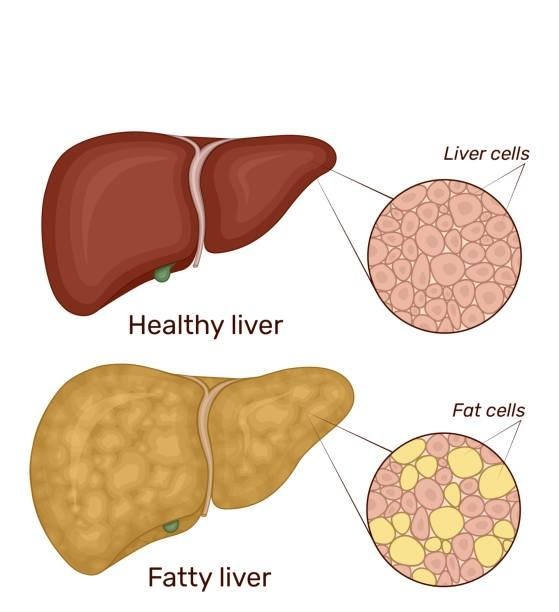
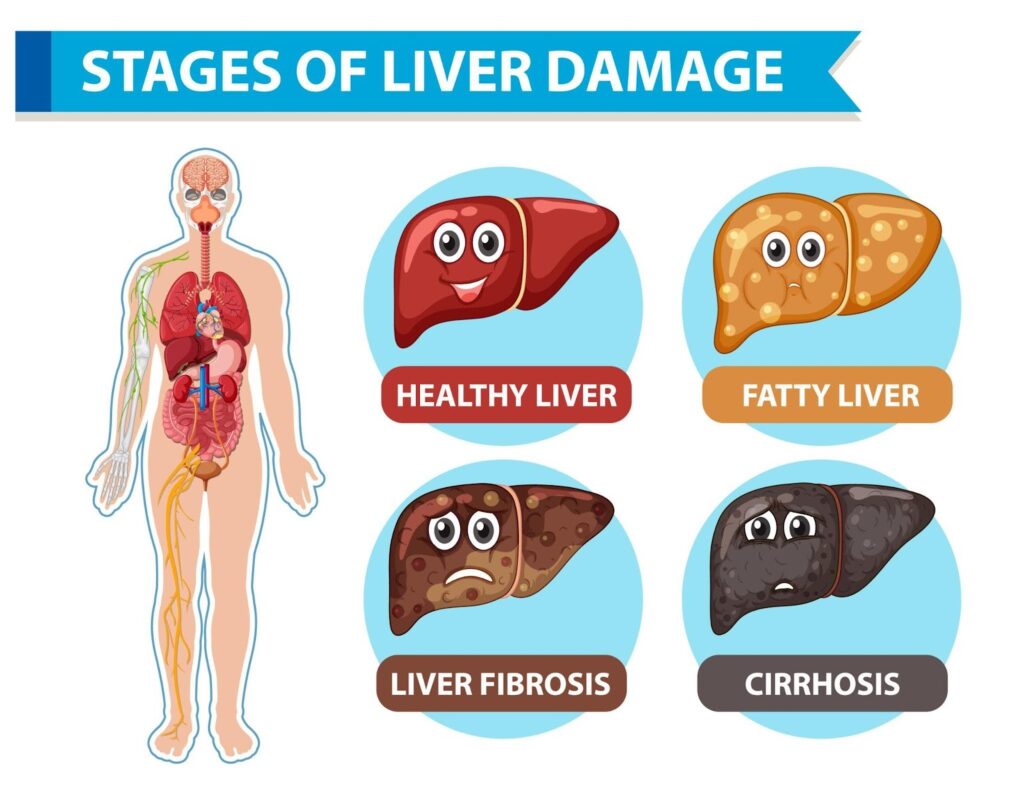
Stage 1: Simple Fatty Liver (Steatosis)
At this stage, fat begins to accumulate in liver cells, but inflammation or damage is minimal.
Key points:
- Usually no symptoms
- Often detected during routine tests
- Completely reversible with lifestyle changes
Most people remain unaware they are in this stage.
Stage 2: Non-Alcoholic Steatohepatitis (NASH)
As fat continues to build up, it leads to inflammation in the liver. This stage is more serious.
Key points:
- Liver cells become inflamed
- Damage begins at a cellular level
- May cause fatigue or discomfort
If not controlled, this stage can lead to permanent damage.
Stage 3: Fibrosis
Continuous inflammation leads to the formation of scar tissue in the liver.
Key points:
- Scar tissue begins replacing healthy cells
- Liver function starts declining
- Damage is partially reversible if caught early
At this stage, the liver still works but not efficiently.
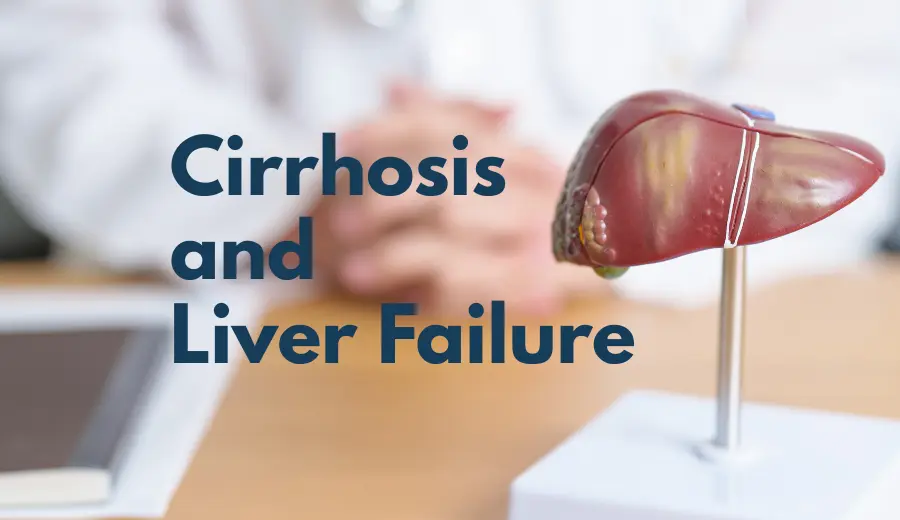
Stage 4: Cirrhosis (Severe Damage)
Cirrhosis is an advanced stage where extensive scarring permanently damages the liver.
Key points:
- Liver structure becomes distorted
- Blood flow is affected
- Risk of liver cancer increases
This stage is serious and often irreversible.
Stage 5: Liver Failure
In the final stage, the liver loses its ability to function.
Key points:
- Toxin buildup in the body
- Severe complications
- May require liver transplant
This stage can be life-threatening if not managed urgently.
Early Warning Signs You Should Not Ignore
Fatty liver progression is often silent, but some signs may appear as the condition worsens:
- Constant fatigue
- Loss of appetite
- Abdominal discomfort
- Swelling in legs or abdomen
- Yellowing of skin (jaundice)
These symptoms often appear in later stages, making early detection critical.
Why Fatty Liver Progresses Over Time
Fatty liver does not worsen overnight. It progresses due to long-term lifestyle and health factors such as the following:
- Poor diet (high sugar and processed foods)
- Obesity
- Lack of physical activity
- Excess alcohol consumption
- Diabetes and high cholesterol
These factors continuously stress the liver, leading to gradual damage.
The Genetic Connection
While lifestyle plays a major role, genetics significantly influences how fatty liver progresses.
Some individuals are genetically more prone to:
- Fat accumulation in the liver
- Slower metabolism of fats
- Increased inflammation response
This phenomenon means two people with similar habits may experience very different outcomes.
👉 One person may stay in early stages for years
👉 Another may progress quickly to fibrosis or cirrhosis
Understanding your genetic risk helps in taking early and targeted preventive steps.
Lifestyle + Genetics: A High-Risk Combination
The biggest risk arises when genetic predisposition combines with unhealthy lifestyle habits.
For example:
- A person with genetic risk and obesity may develop NASH faster
- Someone with a family history of liver disease may reach cirrhosis earlier
This combination accelerates liver damage significantly.
Importance of Early Detection
The earlier fatty liver is detected, the better the chances of reversing it.
Doctors may recommend:
- Liver function tests (LFT)
- Ultrasound or imaging scans
- Blood tests
These tests can identify liver issues before symptoms appear.
How to Stop or Reverse Fatty Liver Progression
The good news is that early stages of fatty liver health are reversible.
Here are key steps:
- Maintain a healthy weight
- Follow a balanced diet
- Reduce sugar and processed food intake
- Exercise regularly
- Limit alcohol consumption
- Stay hydrated
- Get regular health checkups
Consistency is the key to protecting liver health.
Preventive Healthcare Approach
Fatty liver progression is one of the clearest examples of why predictive and preventive healthcare is important.
Instead of waiting for symptoms, focus on:
- Early detection
- Lifestyle management
- Regular screenings
- Awareness of family history
Genetic testing adds another layer of prevention by helping you understand:
- Your risk of liver disease progression
- Your metabolic health
- Your body’s response to lifestyle factors
This information allows you to take personalized and proactive steps.
Conclusion
Fatty liver may begin as a silent condition, but if ignored, it can progress to serious stages like cirrhosis and liver failure.
The journey from fatty liver to liver failure is gradual but preventable.
By understanding the stages, recognizing early risks, and adopting a preventive healthcare approach, you can stop the progression before it becomes life-threatening.
Your liver works silently every day; taking care of it early is one of the most important steps you can take for long-term health.