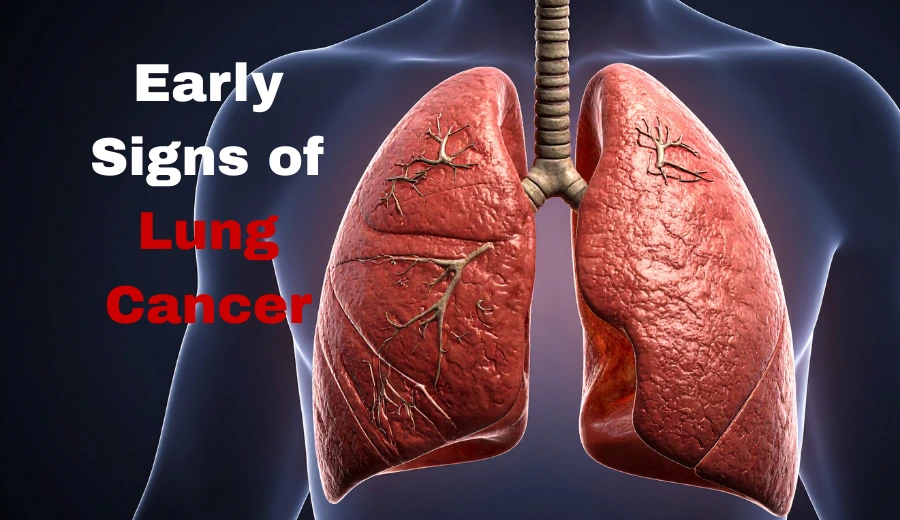
Many people believe lung cancer only affects smokers. While smoking remains one of the biggest risk factors, the reality is that lung cancer can also develop in non-smokers. Environmental pollution, secondhand smoke, genetics, and occupational exposure to harmful chemicals can all increase the risk.
Because symptoms often appear in later stages, recognizing the early signs of lung cancer is critical for timely diagnosis and treatment. Early detection can significantly improve treatment outcomes and survival rates.
Understanding the warning signs and prioritizing preventive healthcare can help individuals identify risks before the disease progresses.
Why Lung Cancer Can Affect Non-Smokers
Although smoking contributes to a large number of lung cancer cases, several other factors can increase risk even for people who have never smoked.
These include:
- Long-term exposure to air pollution
- Secondhand smoke
- Radon gas exposure
- Occupational exposure to chemicals and dust
- Genetic susceptibility
- Family history of cancer
These risk factors highlight why everyone should be aware of the early signs of lung cancer, not just smokers.
Early Signs of Lung Cancer You Shouldn’t Ignore
Lung cancer may develop quietly in the early stages, but the body can sometimes show subtle warning signals.
Recognizing these early signs of lung cancer can lead to earlier medical evaluation.
1. Persistent Cough
A cough that does not go away or becomes worse over time may be an early sign of lung problems.
If a cough lasts longer than a few weeks or changes in intensity, it should be evaluated by a healthcare professional.
2. Shortness of Breath
Difficulty breathing during normal activities may indicate lung function changes.
This symptom may appear gradually and often gets ignored in the early stages.
3. Chest Pain
Unexplained chest discomfort or pain that worsens during deep breathing, coughing, or laughing may signal an underlying lung condition.
4. Unexplained Fatigue
Persistent fatigue without a clear cause can occur when the body is dealing with chronic disease or inflammation.
5. Hoarseness or Voice Changes
Changes in voice or long-term hoarseness can occur if lung tumors affect nearby nerves controlling the vocal cords.
6. Unexplained Weight Loss
Sudden weight loss without dieting or increased physical activity may indicate an underlying health condition, including cancer.
Why Early Detection Matters
Lung cancer often becomes difficult to treat when diagnosed in advanced stages. However, when detected early, treatment options become more effective and survival rates improve significantly.
Regular health checkups, imaging tests, and risk assessments can help identify potential health issues earlier.
Recognizing the early signs of lung cancer and seeking medical evaluation quickly can make a life-saving difference.
The Role of Preventive Healthcare
Preventive healthcare focuses on identifying health risks before symptoms become severe. Understanding personal risk factors allows individuals to make proactive lifestyle and health decisions.
Preventive strategies may include:
- Regular health screenings
- Monitoring respiratory symptoms
- Reducing exposure to environmental pollutants
- Maintaining a healthy lifestyle
- Early risk assessment for chronic diseases
These steps help detect health concerns earlier and support long-term wellness.
Conclusion
Lung cancer is often associated with smoking, but it can also affect non-smokers due to environmental factors, genetics, and lifestyle influences. This makes awareness of the early signs of lung cancer extremely important for everyone.
Recognizing symptoms early and prioritizing preventive healthcare can improve the chances of early diagnosis and better treatment outcomes. Taking proactive steps today can help protect your long-term respiratory health and overall well-being.