
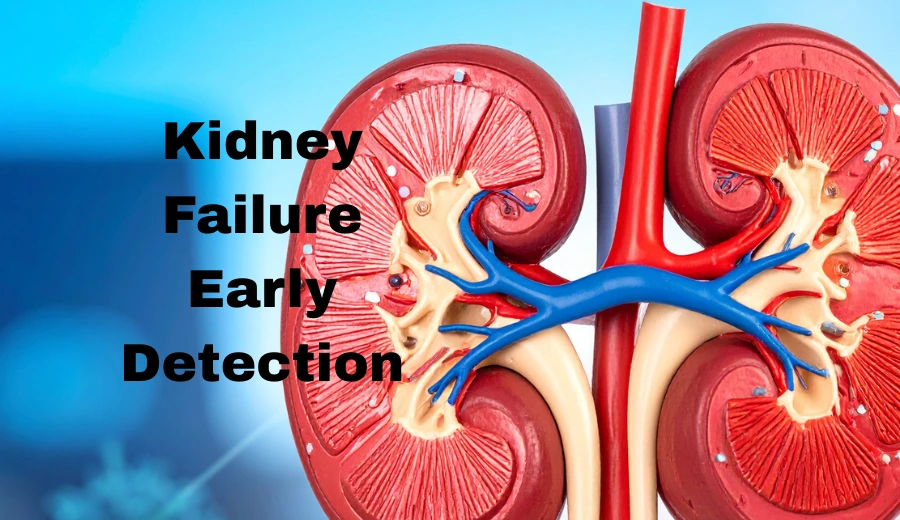
Kidneys are vital organs responsible for filtering waste, balancing fluids, regulating blood pressure, and supporting overall metabolic health. However, kidney problems often develop silently over many years without noticeable symptoms.
After the age of 40, the risk of kidney disease gradually increases due to lifestyle factors, metabolic changes, and underlying health conditions. This makes kidney failure early detection extremely important for protecting long-term health.
Regular health testing and preventive healthcare can identify early kidney changes before they progress into serious complications.
Why Kidney Health Declines After 40
As the body ages, kidney function can slowly decline. While this is a natural part of aging, certain health conditions can accelerate the process.
Some common risk factors include:
- High blood pressure
- Diabetes
- Obesity
- Family history of kidney disease
- Long-term medication use
- Poor dietary habits
These factors can damage the tiny blood vessels in the kidneys, reducing their ability to filter waste effectively.
Because symptoms often appear late, early kidney failure detection through regular testing becomes essential.
Early Warning Signs of Kidney Problems
Kidney disease is often called a “silent condition” because many people do not notice symptoms in the early stages.
However, some subtle signs may appear as the condition progresses:
1. Persistent Fatigue
When kidneys cannot remove toxins properly, waste products accumulate in the bloodstream, leading to constant tiredness and low energy levels.
2. Swelling in Feet and Ankles
Fluid retention can occur when kidneys struggle to regulate fluid balance. This may cause swelling in the legs, feet, or ankles.
3. Changes in Urination
Changes in urination patterns may indicate kidney problems. This can include:
- Frequent urination at night
- Foamy urine
- Dark or bloody urine
- Reduced urine output
4. High Blood Pressure
Kidneys play an important role in regulating blood pressure. Damaged kidneys may lead to uncontrolled hypertension.
5. Loss of Appetite and Nausea
As toxins build up in the body, individuals may experience nausea, loss of appetite, and unexplained weight changes.
Recognizing these symptoms early supports early kidney failure detection and timely medical evaluation.
Why Early Detection Matters
When kidney disease is detected early, progression can often be slowed or managed through lifestyle changes, medication, and regular monitoring.
Early testing allows doctors to:
- Identify kidney damage before severe symptoms appear
- Monitor kidney function over time
- Prevent complications such as kidney failure or cardiovascular disease
- Provide personalized treatment plans
Without early diagnosis, kidney disease may advance to kidney failure, requiring dialysis or transplant.
Tests That Help Detect Kidney Problems
Several simple tests can help detect early kidney issues.
Common screening tests include:
- Blood tests to measure kidney function
- Urine tests to detect protein leakage
- Blood pressure monitoring
- Metabolic health assessments
These tests are quick, accessible, and extremely valuable for early kidney failure detection, especially for adults over 40.
Preventive Healthcare for Kidney Protection
Preventive healthcare focuses on identifying health risks early and supporting long-term wellness.
Healthy lifestyle habits can help protect kidney health, including:
- Staying hydrated
- Maintaining healthy blood pressure
- Managing blood sugar levels
- Reducing salt intake
- Exercising regularly
- Avoiding excessive use of certain medications
Combined with regular screening, these habits can significantly reduce the risk of kidney disease progression.
Conclusion
Kidney disease often develops quietly, making it difficult to detect without proper health monitoring. After the age of 40, the risk of kidney problems increases, making regular testing more important than ever.
Prioritizing early kidney failure detection through routine health screenings and preventive healthcare can help identify potential issues early and protect long-term kidney function.
Taking proactive steps today can help prevent serious complications and support healthier aging in the years ahead.