
Introduction
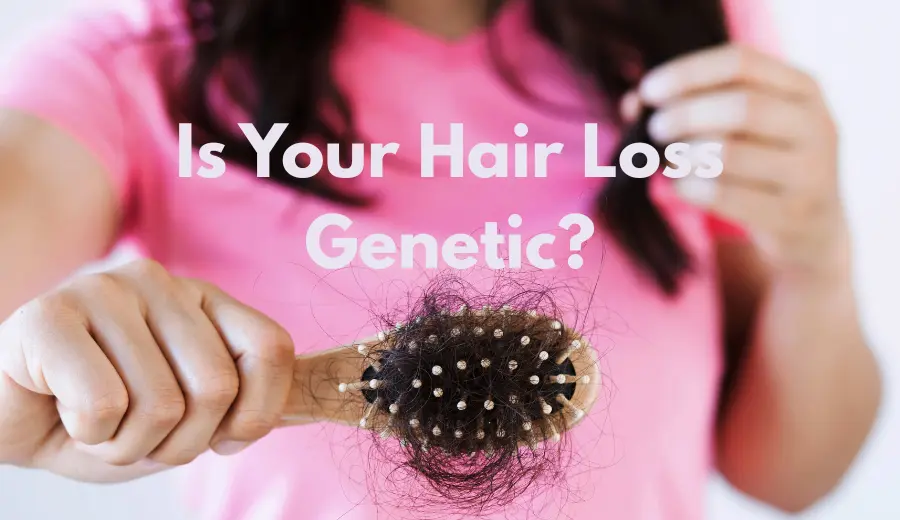
Hair loss is one of the most common concerns today, affecting people of all genders at a younger age than ever. Seeing hair fall on your pillow, comb, or shower drain can be stressful and often raises one big question: Is the cause genetic?
While factors like stress, diet, and lifestyle do contribute to hair loss, genetics plays a major role in determining how, when, and to what extent you may lose hair.
Understanding whether your hair loss is genetic can help you take the right steps early and avoid unnecessary treatments or panic.
What Is Genetic Hair Loss?
Genetic hair loss is commonly known as androgenetic alopecia.
It is a hereditary condition where hair follicles gradually shrink over time due to the influence of hormones, especially DHT (dihydrotestosterone).
This leads to:
- Thinning hair
- Receding hairline (in men)
- Overall hair thinning (in women)
It usually develops gradually and follows a pattern. For more information on hair loss causes and treatment, refer to the American Academy of Dermatology.
How Genetics Influences Hair Loss
Your genes determine:
- Hair thickness and strength
- Growth cycle of hair
- Sensitivity of hair follicles to hormones
If your parents or close relatives experienced hair loss, especially at an early age, there is a higher chance you may face similar patterns.
👉 However, genetics does not guarantee hair loss; it only increases the probability.
Signs That Your Hair Loss May Be Genetic
1. Family History of Hair Loss
If multiple family members have experienced hair thinning or baldness, it may indicate a genetic cause.
2. Gradual Thinning Pattern
Genetic hair loss usually follows a pattern rather than sudden hair fall.
3. Early Onset
Hair loss starting in your 20s or early 30s is often linked to genetics.
4. Receding Hairline or Crown Thinning
These are classic signs of hereditary hair loss, especially in men.
Other Causes of Hair Loss
Not all hair loss is genetic. Several other factors can contribute:
- Stress
- Poor nutrition
- Hormonal imbalance
- Thyroid disorders
- Medical conditions
- Excessive styling or chemical treatments
Temporary hair loss due to these factors can often be reversed.
Genetic vs Temporary Hair Loss
Understanding the difference is important:
- Genetic hair loss → Gradual, progressive, long-term
- Temporary hair loss → Sudden, often reversible
If hair fall is sudden and excessive, it may be due to lifestyle or health issues rather than genetics.
The Role of Hormones
Hormones play a key role in genetic hair loss.
DHT (dihydrotestosterone), a derivative of testosterone, binds to hair follicles and causes them to shrink over time.
Some individuals are genetically more sensitive to DHT, which accelerates hair loss.
Can Genetic Hair Loss Be Prevented?
While you cannot change your genes, you can slow down the process and manage hair loss effectively.
Early intervention is key.
How to Manage Hair Loss
1. Maintain a Healthy Diet
Include nutrients like protein, iron, biotin, and vitamins essential for hair growth.
2. Reduce Stress
Chronic stress can worsen hair fall, even in genetically predisposed individuals.
3. Avoid Harsh Treatments
Limit excessive heat styling, chemical treatments, and tight hairstyles.
4. Seek Medical Advice
Early consultation with a specialist can help identify the cause and suggest suitable treatments.
The Genetic Testing Advantage
One of the most effective ways to understand your hair loss is through genetic testing.
It can help determine:
- Your risk of androgenetic alopecia
- Your sensitivity to DHT
- Your hair growth cycle patterns
This information allows you to take personalized preventive measures instead of relying on general solutions.
Preventive Healthcare Approach
Hair loss is not just a cosmetic concern—it can be an early indicator of underlying health or genetic factors.
This is where preventive healthcare becomes important.
Instead of reacting after significant hair loss, focus on:
- Early detection
- Understanding your genetic risk
- Maintaining a healthy lifestyle
- Monitoring hormonal balance
Preventive healthcare helps you address the root cause rather than just treating the symptoms.
Conclusion
Many factors can influence hair loss, but genetics significantly determines long-term patterns.
Understanding whether your hair loss is genetic allows you to take the right steps early and manage it effectively.
By adopting a preventive healthcare approach, maintaining healthy habits, and exploring genetic insights, you can protect your hair health and overall well-being.
Because the earlier you understand the cause, the better you can control the outcome.