Introduction
Parkinson’s disease is often thought of as a condition that affects older adults, but its early signs can begin much earlier than expected. The challenge is that these early symptoms are usually mild and easy to ignore.
Parkinson’s is a progressive neurological disorder, which means it develops slowly over time and affects movement, coordination, and balance. By the time it is diagnosed, significant changes may have already occurred in the brain.
Understanding the early symptoms and the role of genetics can help in recognizing the condition sooner and taking steps toward better management.
What Is Parkinson’s Disease?
Parkinson’s disease occurs when nerve cells in the brain that produce dopamine start to deteriorate.
Dopamine is a chemical responsible for controlling movement and coordination. When dopamine levels drop, it leads to difficulty in controlling body movements.
Over time, the decrease affects not just physical movement but also mental and emotional well-being. Visit the Parkinson’s Foundation for more in-depth details on Parkinson’s disease.
Early Symptoms You Should Not Ignore
1. Tremors (Shaking)
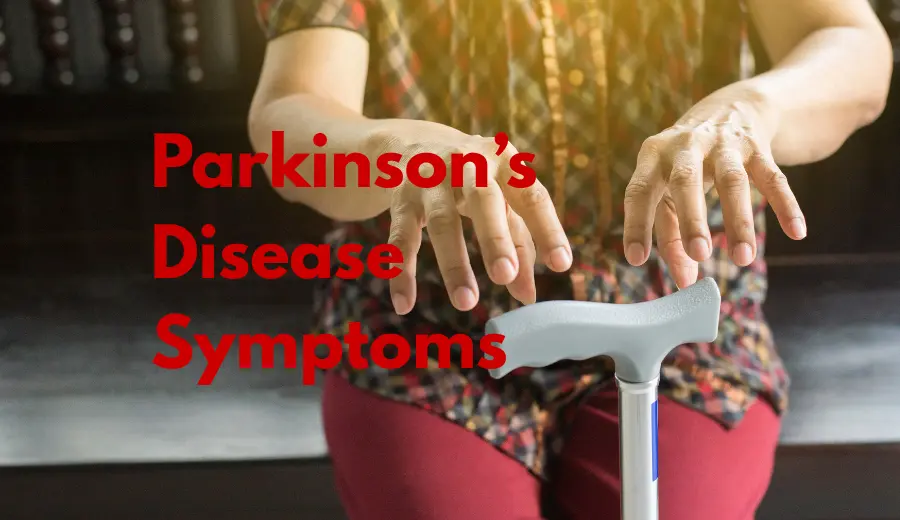
One of the most common early signs is a slight tremor, usually starting in the hands or fingers.
It may appear as a small shaking movement when your hand is at rest.
2. Slowed Movement (Bradykinesia)
You may notice that your movements become slower. Simple tasks like walking, dressing, or eating may take more time.
3. Muscle Stiffness
Stiffness in muscles can limit your range of motion and make daily activities uncomfortable.
4. Changes in Posture and Balance
Difficulty maintaining balance or a tendency to stoop forward while walking can be early indicators.
5. Changes in Handwriting
Handwriting may become smaller and more cramped, a condition known as micrographia.
Non-Motor Symptoms Often Overlooked
Parkinson’s disease doesn’t only affect movement. Some non-motor symptoms may appear even earlier:
- Loss of smell
- Sleep disturbances
- Constipation
- Depression or anxiety
- Fatigue
These symptoms are often ignored or linked to other causes, delaying diagnosis.
Why Early Detection Is Important
Parkinson’s disease cannot be completely cured, but early detection can help manage symptoms effectively and improve quality of life.
Early treatment can slow progression and help maintain independence for a longer time.
The Genetic Connection
While Parkinson’s is often considered a sporadic disease, genetics can play a role, especially in early-onset cases.
If you have a family history of Parkinson’s disease, your risk may be higher.
Certain genetic mutations can affect:
- Dopamine production
- Brain cell function
- Response to environmental triggers
However, not everyone with a genetic risk will develop Parkinson’s. It often involves a combination of genetic and environmental factors.
Environmental and Lifestyle Factors
Apart from genetics, several environmental factors may contribute to the development of Parkinson’s disease:
- Exposure to toxins or pesticides
- Head injuries
- Long-term stress
- Poor lifestyle habits
These factors can increase the risk, especially in individuals who are already genetically vulnerable.
Genetics + Environment: Combined Risk
The risk of Parkinson’s disease increases when genetic predisposition combines with environmental exposure.
For example:
👉 A person with genetic risk exposed to toxins may develop symptoms earlier.
👉 Someone without genetic risk may have lower chances despite exposure.
This scenario shows the importance of understanding both your genes and your environment.
Diagnosis and Medical Evaluation
There is no single test to diagnose Parkinson’s disease. Doctors usually rely on:
- Medical history
- Physical and neurological examination
- Observation of symptoms
In some cases, imaging tests may be used to rule out other conditions.
How to Manage and Reduce Risk
While Parkinson’s cannot always be prevented, certain lifestyle habits may help reduce risk:
- Regular physical activity
- Balanced diet rich in antioxidants
- Proper sleep
- Stress management
- Avoiding exposure to harmful chemicals
These habits support overall brain health.
Preventive Healthcare Approach
Early awareness and preventive healthcare can significantly impact the prevention of Parkinson’s disease, even though it may not always be possible.
Preventive healthcare focuses on:
- Identifying early symptoms
- Understanding family history
- Maintaining brain health
- Regular health monitoring
Genetic testing can reveal:
- Your risk of neurological disorders
- Brain health markers
- Sensitivity to environmental triggers
This information allows you to take proactive steps and stay prepared.
Conclusion
Parkinson’s disease develops gradually, and its early symptoms are often ignored. Recognizing these signs early can help in better management and improved quality of life.
By adopting a preventive healthcare approach, maintaining a healthy lifestyle, and understanding your genetic risk, you can stay more aware and prepared.
Because when it comes to neurological health, early attention can make a meaningful difference in the long run.