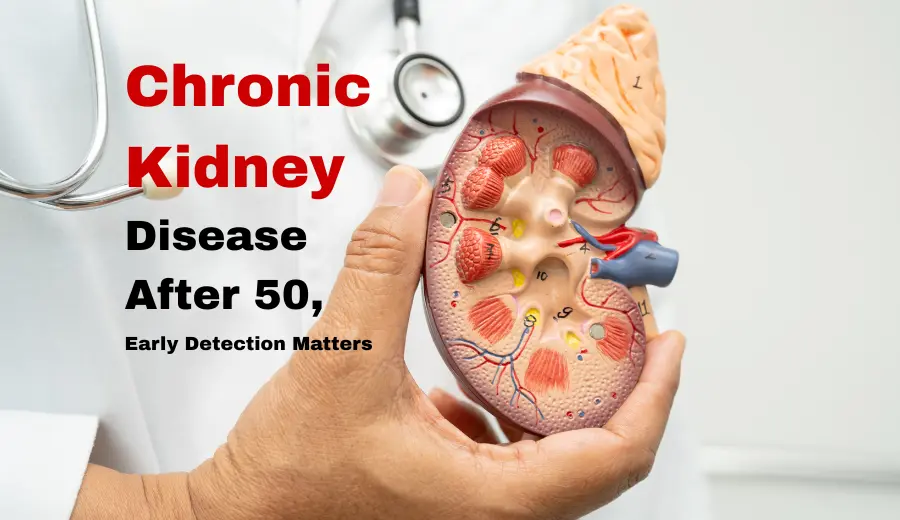
Kidneys play a vital role in keeping the body healthy. They filter waste from the blood, regulate fluid balance, control blood pressure, and support many other important functions. However, kidney health often declines silently with age.
After the age of 50, the risk of developing kidney problems increases significantly. What makes this condition particularly dangerous is that chronic kidney disease symptoms may not appear until the disease has already progressed.
Understanding the early warning signs and the importance of preventive healthcare can help detect kidney problems sooner and reduce the risk of serious complications.
What Is Chronic Kidney Disease?
Chronic Kidney Disease (CKD) is a long-term condition in which the kidneys gradually lose their ability to function properly. When kidney function declines, waste products and excess fluids can build up in the body.
CKD often develops slowly over many years. Without proper monitoring and treatment, it can eventually lead to kidney failure.
Many people remain unaware of the disease because early chronic kidney disease symptoms are often mild or completely absent.
Why the Risk Increases After 50
Several factors contribute to the increased risk of kidney disease after the age of 50.
Common risk factors include:
- High blood pressure
- Type 2 diabetes
- Obesity
- Family history of kidney disease
- Long-term medication use
- Aging-related decline in organ function
As people grow older, the kidneys may become less efficient at filtering toxins, making regular health monitoring extremely important.
Common Chronic Kidney Disease Symptoms
One of the biggest challenges with CKD is that symptoms can be subtle in the early stages. However, as the condition progresses, certain warning signs may begin to appear.
Some common chronic kidney disease symptoms include:
1. Fatigue and Weakness
When kidneys cannot remove toxins effectively, waste products accumulate in the blood. This can cause persistent fatigue, weakness, and difficulty concentrating.
2. Swelling in Legs, Feet, or Ankles
Kidneys help regulate fluid balance in the body. When they are not functioning properly, excess fluid may build up in the tissues, causing swelling.
3. Changes in Urination
Changes in urination patterns can be an early indicator of kidney problems.
Possible signs include:
- Frequent urination, especially at night
- Foamy urine
- Dark or bloody urine
- Reduced urine output
4. High Blood Pressure
High blood pressure is both a cause and a symptom of kidney disease. Damaged kidneys may struggle to regulate blood pressure levels effectively.
5. Loss of Appetite and Nausea
As toxins accumulate in the body, individuals may experience nausea, poor appetite, or unexplained weight loss.
Why Early Detection Matters
Detecting kidney disease early can make a major difference in treatment outcomes. When identified in its early stages, CKD progression can often be slowed through lifestyle changes, medication, and regular monitoring.
Early testing may include:
- Blood tests to check kidney function
- Urine tests to detect protein leakage
- Blood pressure monitoring
- Metabolic health assessments
Regular screening becomes even more important for individuals with diabetes, hypertension, or a family history of kidney disease.
Preventive Healthcare and Kidney Health
Preventive healthcare focuses on identifying disease risks before serious symptoms develop. Monitoring kidney function regularly allows individuals to detect health issues earlier and take proactive steps toward better health.
Key preventive measures include the following:
- Maintaining healthy blood pressure
- Managing blood sugar levels
- Staying hydrated
- Eating a balanced diet
- Avoiding excessive salt intake
- Exercising regularly
- Scheduling regular health checkups
Understanding personal health risks through preventive screening can help individuals protect their long-term kidney health.
Conclusion
Kidney disease often develops quietly, especially after the age of 50. Many people ignore early warning signs until the condition becomes serious.
Recognizing chronic kidney disease symptoms and prioritizing early health screening can significantly improve outcomes. With timely detection and preventive healthcare strategies, individuals can take control of their health and reduce the risk of long-term kidney complications.
Taking proactive steps today can help safeguard kidney health for the future.